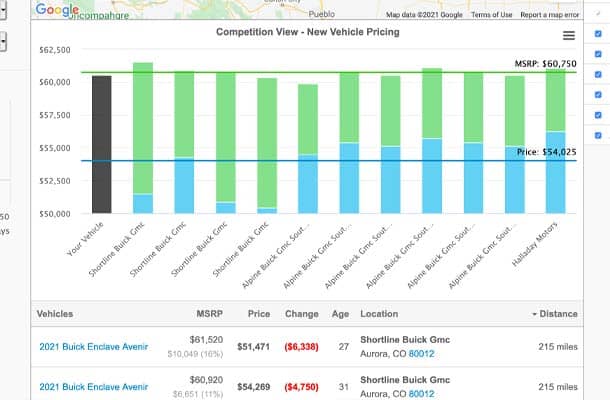
Unlocking Success: The Power of Competitive Car Pricing Strategies
The Importance of Competitive Car Pricing
Setting the right price for a car is crucial when it comes to attracting potential buyers and ensuring a successful sale. Competitive car pricing plays a significant role in the buying decision-making process for consumers.
Attracting Potential Buyers
Competitive pricing can help your car stand out in a crowded market. When buyers compare similar vehicles, they are more likely to choose the one that offers the best value for money. By pricing your car competitively, you increase the chances of attracting more potential buyers and generating interest in your vehicle.
Building Trust with Buyers
Transparent and competitive pricing builds trust with buyers. When customers feel that they are getting a fair deal, they are more likely to have confidence in the transaction. By offering a competitive price for your car, you demonstrate honesty and integrity, which can lead to a smoother sales process.
Reducing Time on the Market
Pricing your car competitively can help reduce the time it spends on the market. An attractively priced vehicle is more likely to sell quickly compared to overpriced alternatives. By setting a competitive price from the start, you increase the chances of a swift sale and avoid prolonged waiting periods.
Maximising Profit Potential
While competitive pricing aims to attract buyers, it also helps sellers maximise their profit potential. By conducting market research and setting a price that aligns with current trends and demand, sellers can strike a balance between attracting buyers and achieving a satisfactory return on their investment.
In Conclusion
Competitive car pricing is essential for sellers looking to sell their vehicles efficiently and effectively. By setting a price that reflects market conditions and offers value to buyers, sellers can increase their chances of selling quickly while also maximising their profit potential.
Eight Advantages of Competitive Car Pricing: Boosting Buyer Interest and Ensuring Quick Sales
- Attracts more potential buyers
- Increases interest in the vehicle
- Builds trust with buyers
- Reduces time spent on the market
- Enhances competitiveness in the market
- Maximises chances of a quick sale
- Demonstrates transparency and honesty
- Helps sellers achieve a satisfactory return on investment
Challenges of Competitive Car Pricing: Navigating Profit Margins, Competition, and Perceived Value
- Potential lower profit margins for sellers
- Increased competition from other sellers
- Risk of undervaluing the car compared to its worth
- Difficulties in adjusting prices once set too low
- Perceived quality may be questioned due to low pricing
- Negotiation power may shift more towards buyers
Attracts more potential buyers
One of the key advantages of competitive car pricing is its ability to attract a larger pool of potential buyers. By offering a price that is in line with market expectations and provides good value for money, sellers can capture the interest of a diverse range of consumers looking for their next vehicle. This increased interest not only enhances the visibility of the car in the market but also improves the likelihood of securing a successful sale within a shorter timeframe.
Increases interest in the vehicle
Competitive car pricing has the significant advantage of increasing interest in the vehicle. When a car is priced competitively, it captures the attention of potential buyers who are actively searching for value for their money. By offering a price that is attractive compared to similar vehicles on the market, sellers can generate more inquiries and viewings, ultimately leading to a higher likelihood of a successful sale. This increased interest not only boosts the visibility of the vehicle but also enhances the chances of finding a buyer quickly and efficiently.
Builds trust with buyers
Competitive car pricing plays a crucial role in building trust with buyers. When sellers offer transparent and competitive prices for their vehicles, it creates a sense of honesty and integrity in the transaction. Buyers are more likely to feel confident in their purchase knowing that they are getting a fair deal. By demonstrating fairness in pricing, sellers establish credibility and reliability, paving the way for a positive and trustworthy relationship with potential buyers throughout the sales process.
Reduces time spent on the market
Competitive car pricing offers the advantage of reducing the time a vehicle spends on the market. By setting a price that is attractive and aligned with market trends, sellers can capture the attention of potential buyers more quickly. A competitively priced car stands out among similar listings, leading to increased interest and a higher likelihood of a swift sale. This not only saves sellers valuable time but also streamlines the selling process, allowing them to move on to their next vehicle or financial goals sooner.
Enhances competitiveness in the market
Competitive car pricing enhances competitiveness in the market by positioning a seller’s vehicle as an attractive option among a sea of choices. By offering a price that is compelling and appealing to potential buyers, sellers can differentiate their car from others and create a competitive edge. This not only increases the likelihood of attracting interested buyers but also helps to establish the vehicle as a desirable option in a competitive market environment. Ultimately, enhanced competitiveness through strategic pricing can lead to a faster sale and a more successful transaction for both the seller and the buyer.
Maximises chances of a quick sale
Competitive car pricing maximises the chances of a quick sale by attracting more potential buyers who are actively seeking value for their money. When a vehicle is priced competitively, it stands out in the market and captures the attention of interested buyers looking for affordable yet quality options. This increased interest leads to a higher likelihood of receiving offers and finalising a sale promptly, allowing sellers to streamline the selling process and move on to their next venture with minimal delay.
Demonstrates transparency and honesty
Competitive car pricing not only benefits sellers by attracting potential buyers but also serves as a powerful demonstration of transparency and honesty in the selling process. By setting a competitive price that reflects the true value of the vehicle, sellers show integrity and openness to buyers. This transparent approach builds trust and credibility, reassuring buyers that they are getting a fair deal. In an industry where trust is paramount, competitive car pricing becomes a tangible way for sellers to showcase their commitment to honesty and fairness in every transaction.
Helps sellers achieve a satisfactory return on investment
Competitive car pricing plays a crucial role in helping sellers achieve a satisfactory return on their investment. By conducting thorough market research and setting a price that aligns with current market trends, sellers can ensure that their vehicles are priced competitively to attract potential buyers while also maximising their profit potential. This strategic approach not only increases the likelihood of a successful sale but also allows sellers to recoup a fair value for their initial investment in the vehicle.
Potential lower profit margins for sellers
One significant drawback of competitive car pricing is the potential for lower profit margins for sellers. When pricing vehicles competitively to attract buyers, sellers may need to reduce their asking price, which can result in decreased profitability per sale. While competitive pricing may lead to increased sales volume, it also poses a challenge in maintaining desired profit margins. Sellers must carefully balance pricing strategies to ensure they attract buyers while still achieving a satisfactory level of profitability for each transaction.
Increased competition from other sellers
One significant con of competitive car pricing is the increased competition it brings from other sellers in the market. When multiple sellers price their vehicles competitively, it can lead to a price war and a race to the bottom. This heightened competition may result in sellers lowering their prices to attract buyers, ultimately impacting their profit margins. Additionally, with more sellers offering similar pricing, it can be challenging for individual sellers to differentiate their vehicles and stand out among the crowd, leading to increased pressure and difficulty in achieving a successful sale at a desirable price point.
Risk of undervaluing the car compared to its worth
One notable con of competitive car pricing is the risk of undervaluing the vehicle compared to its actual worth. In an attempt to attract buyers with lower prices, sellers may unintentionally set a price that does not reflect the true value of their car. This can lead to missed opportunities for sellers to maximise their profit and receive a fair return on their investment. Undervaluing a car can result in financial losses for the seller and may create a perception among buyers that there could be underlying issues with the vehicle, impacting trust and credibility in the selling process. It is crucial for sellers to strike a balance between competitiveness and ensuring that their car is priced appropriately based on its condition, features, and market demand.
Difficulties in adjusting prices once set too low
One notable drawback of competitive car pricing is the challenge of adjusting prices if they have been initially set too low. When a seller underestimates the value of their vehicle in an attempt to attract buyers with a competitive price, they may encounter difficulties in raising the price later on without deterring potential buyers who have already seen the lower price. This can lead to missed opportunities to maximise profit and may result in a longer selling process as sellers navigate the delicate balance of adjusting prices to reflect the true worth of their car while maintaining buyer interest.
Perceived quality may be questioned due to low pricing
When pricing a car competitively, one potential downside is that the perceived quality of the vehicle may be called into question by potential buyers. Some consumers might associate lower prices with inferior quality or hidden issues, leading to doubts about the value and condition of the car. This perception challenge can make it more difficult to convince buyers that the lower price is a reflection of market competitiveness rather than compromised quality. Sellers must address these concerns effectively through transparency, detailed vehicle information, and possibly even professional inspections to reassure buyers about the true value and condition of the car despite its competitive pricing.
Negotiation power may shift more towards buyers
In the context of competitive car pricing, one notable drawback is that the negotiation power may shift more towards buyers. When sellers price their vehicles competitively to attract buyers, it can sometimes lead to a situation where buyers feel they have more leverage in negotiating a lower price. This shift in negotiation power can potentially result in sellers having to make concessions or accept offers below their desired price point, ultimately impacting their profitability and bargaining position during the sales process.
