Unlocking the Benefits of Car Leasing: A Guide to Flexible Driving Solutions
The Benefits of Car Leasing
Car leasing has become an increasingly popular option for individuals looking to drive a new vehicle without the long-term commitment of ownership. Here are some key benefits of car leasing:
Lower Monthly Payments
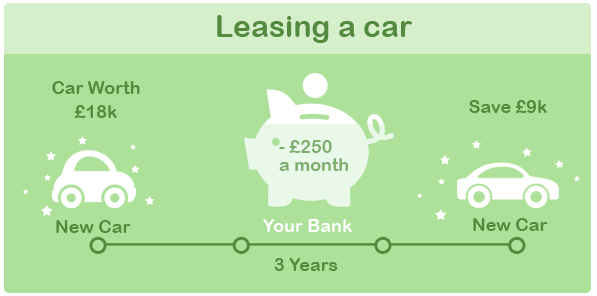
One of the main advantages of car leasing is that it typically involves lower monthly payments compared to buying a car outright. This can make driving a brand-new vehicle more affordable and accessible.
No Depreciation Worries
When you lease a car, you don’t have to worry about its depreciation value over time. At the end of the lease term, you simply return the vehicle to the leasing company without having to deal with selling or trading it in.
Access to New Models
Car leasing allows you to drive the latest models with advanced features and technologies. This means you can enjoy the benefits of driving a new car more frequently without being tied down to one vehicle for years.
Maintenance and Warranty Coverage
Many car lease agreements include maintenance packages and warranty coverage, providing peace of mind knowing that your vehicle is taken care of in case of unexpected repairs or breakdowns.
Flexible Terms
Car leasing offers flexibility in terms of lease duration and mileage allowances. You can choose a lease term that suits your needs and adjust your mileage limit accordingly, giving you more control over your driving experience.
In conclusion, car leasing provides a cost-effective and convenient way to drive a new vehicle while avoiding some of the responsibilities associated with ownership. Consider exploring car leasing options if you’re looking for a flexible and hassle-free driving solution.
Essential FAQs on Car Leasing: Understanding the Process, Benefits, and Considerations
- What is car leasing and how does it work?
- What are the benefits of leasing a car compared to buying one?
- Are there any mileage restrictions with a leased car?
- What happens at the end of a car lease term?
- Can I purchase the car at the end of the lease?
- Is maintenance included in a car lease agreement?
- How is monthly payment for a leased car calculated?
- What should I do if I exceed my mileage limit on a leased vehicle?
- Can I terminate my car lease early, and are there penalties?
What is car leasing and how does it work?
Car leasing is a popular alternative to traditional car ownership that allows individuals to drive a new vehicle without the long-term commitment of purchasing. When you lease a car, you essentially rent it for a specified period, typically 2-4 years, by making monthly payments. At the end of the lease term, you return the vehicle to the leasing company. The monthly payments are based on the difference between the car’s initial value and its expected value at the end of the lease term (residual value), along with factors like mileage and lease duration. Car leasing offers lower monthly payments compared to buying a car outright and provides access to new models with advanced features. It also often includes maintenance packages and warranty coverage for added peace of mind.
What are the benefits of leasing a car compared to buying one?
When considering the benefits of leasing a car compared to buying one, several advantages stand out. Leasing often involves lower monthly payments, making it a more affordable option for those looking to drive a new vehicle. Additionally, leasing eliminates concerns about depreciation, as you can return the car at the end of the lease term without having to deal with selling it. Access to the latest models with advanced features, maintenance and warranty coverage, and flexible lease terms are also key benefits that make car leasing an attractive choice for many individuals seeking convenience and cost-effectiveness in their driving experience.
Are there any mileage restrictions with a leased car?
When considering car leasing, it is common to wonder about mileage restrictions. Most car lease agreements do come with mileage limitations, which specify the maximum number of miles you can drive the leased vehicle each year. Exceeding these limits may result in additional fees at the end of the lease term. It is important to carefully review and understand the mileage restrictions outlined in your lease agreement to avoid any surprises and plan your driving habits accordingly.
What happens at the end of a car lease term?
At the end of a car lease term, there are typically a few options available to the lessee. One common choice is to return the vehicle to the leasing company and explore new leasing opportunities for a different car. Alternatively, some individuals may have the option to purchase the leased vehicle at a predetermined residual value if they wish to keep it. It’s essential to review the terms of the lease agreement regarding end-of-term procedures and any additional costs that may apply, such as excess mileage charges or wear-and-tear fees. By understanding these options in advance, lessees can make informed decisions about their next steps after the lease term concludes.
Can I purchase the car at the end of the lease?
One common question regarding car leasing is whether it is possible to purchase the vehicle at the end of the lease term. In many cases, leasing companies offer the option to buy the car once the lease period expires. This can be a great opportunity for individuals who have grown attached to the vehicle or want to continue driving it beyond the initial lease agreement. It’s essential to check the terms of your lease contract to understand any purchase options available and any associated costs involved in buying the car at the end of the lease.
Is maintenance included in a car lease agreement?
When considering a car lease agreement, one common question that arises is whether maintenance is included. In many cases, car lease agreements do offer maintenance packages as part of the deal. These packages can cover routine servicing, repairs, and sometimes even tyre replacements. Having maintenance included in a car lease agreement can provide peace of mind to the lessee, knowing that the vehicle will be well taken care of throughout the lease term. It’s important to review the specific terms and conditions of the lease agreement to understand what maintenance services are covered and any limitations that may apply.
How is monthly payment for a leased car calculated?
When calculating the monthly payment for a leased car, several factors come into play. The primary components considered include the vehicle’s depreciation value over the lease term, the estimated residual value of the car at the end of the lease, any additional fees or charges, as well as the finance company’s interest rate. By factoring in these variables, leasing companies can determine a monthly payment that reflects the expected value of the vehicle during the lease period while also considering other financial aspects to provide a competitive and tailored leasing agreement for customers.
What should I do if I exceed my mileage limit on a leased vehicle?
If you exceed your mileage limit on a leased vehicle, it’s important to be aware of the potential consequences. Typically, exceeding the agreed-upon mileage limit can result in excess mileage charges at the end of your lease term. These charges can vary depending on the leasing company and the terms of your agreement. To address this situation, you may consider discussing your options with the leasing company. They may offer solutions such as adjusting your lease terms or purchasing additional mileage upfront to minimise any extra costs incurred. It’s advisable to communicate proactively with the leasing company to find a suitable resolution for managing excess mileage on your leased vehicle.
Can I terminate my car lease early, and are there penalties?
When considering terminating a car lease early, it is important to understand that most lease agreements come with penalties for early termination. These penalties can vary depending on the leasing company and the terms of the lease. Typically, early termination fees can include paying off the remaining lease payments, additional charges for ending the agreement before the agreed-upon term, and potential depreciation costs. It is advisable to review your lease contract carefully and discuss any concerns or options with your leasing company to fully understand the implications of terminating your car lease early.
