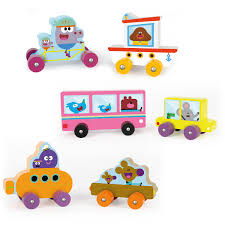
Exploring the Diverse World of Vehicles
The World of Vehicles
From sleek sports cars to rugged off-road vehicles, the world of vehicles is as diverse and exciting as ever. Whether you’re a car enthusiast, a commuter, or an adventurer, there’s a vehicle out there to suit your needs and preferences.
Evolution of Automobiles
The history of vehicles dates back to the late 19th century when the first automobiles were invented. Since then, we’ve seen remarkable advancements in technology, design, and performance. Today, cars come equipped with state-of-the-art features such as autonomous driving capabilities, hybrid engines, and advanced safety systems.
Diversity in Vehicle Types
From compact city cars to spacious SUVs and powerful trucks, there’s a wide range of vehicle types to choose from. Each type caters to different lifestyles and preferences, offering varying levels of comfort, performance, and utility.
The Thrill of Driving
For many people, driving is more than just a means of transportation – it’s a passion. The feeling of hitting the open road with the wind in your hair and the engine roaring beneath you is an experience like no other. Whether you enjoy cruising along scenic routes or pushing the limits on a race track, driving can be both exhilarating and therapeutic.
Sustainability in Transportation
As concerns about climate change grow, the automotive industry is increasingly focusing on sustainability. Electric vehicles (EVs) are becoming more popular due to their environmentally friendly nature and lower carbon emissions. Manufacturers are also exploring alternative fuel sources such as hydrogen fuel cells to reduce our reliance on fossil fuels.
The Future of Mobility
Looking ahead, the future of vehicles promises even more innovation and transformation. Concepts like flying cars, self-driving taxis, and hyperloop transportation systems are no longer just science fiction – they’re becoming closer to reality every day. The way we move from place to place is evolving rapidly, shaping the future of transportation for generations to come.
Frequently Asked Questions About Vehicles: Definitions, Types, and Examples
- What is the definition of a vehicle?
- What are examples of vehicles?
- What is a type of vehicle?
- What are examples with vehicle?
- Is helicopter a vehicle?
- What are the vehicles names?
- What defines as a vehicle?
- What are called vehicles?
- How many types of vehicle are there?
- What are the vehicles used for?
- What is the name of vehicles?
- Why are cars called vehicles?
What is the definition of a vehicle?
A vehicle is defined as a mechanical means of transportation that is designed to carry people or goods from one place to another. It typically consists of wheels, an engine or motor for propulsion, and a structure to support and protect its occupants or cargo. Vehicles come in various forms, including cars, trucks, motorcycles, buses, bicycles, and more. The primary purpose of a vehicle is to facilitate movement and transport individuals or items efficiently and safely. Whether for personal use, commercial purposes, or recreational activities, vehicles play a crucial role in modern society’s mobility and connectivity.
What are examples of vehicles?
Vehicles encompass a wide range of modes of transportation, each serving different purposes and catering to various needs. Common examples of vehicles include cars, motorcycles, bicycles, buses, trucks, vans, trains, airplanes, boats, and even scooters. These vehicles come in diverse shapes and sizes, from compact city cars to massive cargo ships, offering transportation solutions for individuals, families, businesses, and industries. Whether for daily commutes, leisurely travels, or transporting goods across continents, the world of vehicles provides a multitude of options to suit different lifestyles and requirements.
What is a type of vehicle?
A type of vehicle refers to a specific category or classification of motorised transportation designed for various purposes. Vehicles can be categorised based on their size, shape, function, or intended use. Common types of vehicles include cars, trucks, motorcycles, buses, vans, and SUVs. Each type of vehicle serves a particular need or preference, whether it’s for personal commuting, commercial transportation, off-road adventures, or leisurely road trips. Understanding the different types of vehicles available can help individuals choose the most suitable option to meet their specific requirements and preferences.
What are examples with vehicle?
When considering examples of vehicles, a wide variety comes to mind, ranging from everyday modes of transportation like cars, motorcycles, bicycles, and buses to specialized vehicles such as ambulances, fire trucks, construction vehicles like excavators and bulldozers, and even military tanks and aircraft. Each type serves a specific purpose, reflecting the diverse needs of society for efficient and reliable means of travel, work, and emergency response. Whether for personal use or professional tasks, vehicles play a vital role in modern life by connecting people, goods, and services across different locations.
Is helicopter a vehicle?
Yes, a helicopter is considered a vehicle. A vehicle is defined as a machine that transports people or goods from one place to another, and a helicopter fits this definition as it is a type of aircraft that can be used for transportation. Helicopters have the ability to take off and land vertically, hover in place, and fly forwards or backwards, making them versatile vehicles for various purposes such as transportation, emergency services, tourism, and military operations.
What are the vehicles names?
When it comes to vehicles, there is a vast array of names that encompass the diverse world of transportation. From cars and motorcycles to trucks and buses, each type of vehicle has its own unique name that reflects its purpose and design. Whether you’re navigating city streets in a compact hatchback or exploring rugged terrain in a sturdy 4×4, the names of vehicles not only differentiate them but also evoke a sense of identity and functionality. Understanding the various vehicle names can help individuals choose the right mode of transportation that best suits their needs and lifestyle.
What defines as a vehicle?
In the realm of transportation, a vehicle is typically defined as any device designed or used for the purpose of transporting people or goods from one place to another. Vehicles come in various forms, ranging from cars, trucks, and motorcycles to bicycles, boats, and even aircraft. What sets a vehicle apart is its capability to facilitate movement and transport individuals or cargo efficiently. Whether powered by engines, motors, or human effort, vehicles play a crucial role in modern society by providing mobility and connectivity across different locations and facilitating daily activities for individuals and businesses alike.
What are called vehicles?
Vehicles are commonly referred to as any means of transportation designed to carry people or goods from one place to another. These include cars, motorcycles, trucks, buses, bicycles, and even aircraft and watercraft. Essentially, vehicles are machines that enable mobility and provide a mode of transport for individuals or cargo. They come in various shapes, sizes, and forms, each serving a specific purpose based on the needs of their users. Whether for daily commuting, leisurely travel, or commercial purposes, vehicles play a crucial role in modern society by facilitating movement and connectivity across different locations.
How many types of vehicle are there?
When it comes to vehicles, there is a wide variety of types to cater to different needs and preferences. From cars, motorcycles, and bicycles to trucks, buses, and trains, the world of vehicles encompasses a diverse range of transportation options. Each type of vehicle serves a specific purpose, whether it’s for personal use, commercial transport, or public transit. With advancements in technology and design, new types of vehicles continue to emerge, offering innovative solutions for mobility and transportation challenges. The evolving landscape of vehicles reflects the ever-changing demands and aspirations of society in the realm of transportation.
What are the vehicles used for?
Vehicles serve a multitude of purposes in our daily lives, providing essential transportation for individuals, goods, and services. From commuting to work or school, transporting goods across long distances, to emergency services responding swiftly to crises, vehicles play a crucial role in modern society. They offer convenience, efficiency, and mobility, enabling people to travel far distances quickly and safely. Whether it’s for personal use, commercial purposes, or public services, vehicles are integral to our interconnected world.
What is the name of vehicles?
Vehicles encompass a wide range of transportation modes, including cars, trucks, motorcycles, buses, bicycles, and more. The term “vehicles” is a broad category that refers to any device designed or used for transporting people or goods from one place to another. Whether powered by engines, pedals, or other means, vehicles play a crucial role in modern society by providing mobility and connectivity across various landscapes and terrains.
Why are cars called vehicles?
The term “vehicles” is used to refer to cars because it encompasses a broader category of transportation that includes not only cars but also other modes of transport such as trucks, buses, and motorcycles. The word “vehicle” originates from the Latin word “vehiculum,” which means a means of carrying or transporting something. Cars are considered vehicles because they serve as a means of transporting people and goods from one place to another. By using the term “vehicles” to describe cars, it highlights their role as a form of transportation within the larger context of various modes of travel on land.
