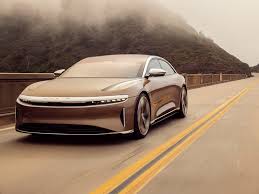
Exploring the Evolution of Modern Vehicles
The Evolution of Vehicles
In the modern world, vehicles play a crucial role in our daily lives, providing us with convenience and mobility. The evolution of vehicles over time has been remarkable, shaping the way we travel and transport goods.
Early Beginnings
The history of vehicles dates back to ancient times when humans used simple carts and chariots for transportation. Over the centuries, technological advancements led to the invention of steam-powered vehicles and eventually petrol-driven automobiles in the late 19th century.
The Age of Automobiles
With the mass production of automobiles by companies such as Ford and General Motors in the early 20th century, cars became more accessible to the general public. The automobile revolutionised transportation, allowing people to travel longer distances in shorter periods.
Modern Innovations
Today, vehicles come in various forms, from fuel-efficient cars to electric vehicles and self-driving cars. The automotive industry continues to innovate, focusing on sustainability and safety features to meet the demands of a changing world.
The Future of Mobility
As we look towards the future, concepts like flying cars and hyperloop transportation systems are being explored to revolutionise how we move from place to place. The integration of technology such as artificial intelligence and renewable energy sources is set to shape the next generation of vehicles.
Conclusion
Vehicles have come a long way since their humble beginnings, evolving into sophisticated modes of transportation that define our modern society. With ongoing advancements in technology and a focus on sustainability, the future of vehicles holds exciting possibilities for how we travel and connect with the world around us.
Essential Safety Tips for Responsible Vehicle Use
- Always wear your seatbelt when driving or travelling in a vehicle.
- Obey speed limits and traffic rules to ensure safety on the road.
- Regularly check your vehicle’s tyre pressure and tread depth for optimal performance.
- Keep a safe following distance from the vehicle in front of you to avoid accidents.
- Ensure your vehicle’s lights, indicators, and brakes are in good working condition.
- Avoid distractions while driving, such as using mobile phones or eating behind the wheel.
- Be mindful of pedestrians and cyclists on the road, especially at crossings.
Always wear your seatbelt when driving or travelling in a vehicle.
It is crucial to always wear your seatbelt when driving or travelling in a vehicle. Seatbelts are designed to provide essential protection in the event of a collision or sudden stop, significantly reducing the risk of serious injury or even saving lives. By fastening your seatbelt properly before starting your journey, you are taking a simple yet effective step towards ensuring your safety and the safety of others on the road. Remember, seatbelts are a fundamental safety measure that should never be overlooked.
Obey speed limits and traffic rules to ensure safety on the road.
Adhering to speed limits and traffic regulations is essential for maintaining safety on the road. By obeying these rules, drivers not only reduce the risk of accidents but also contribute to a smoother flow of traffic. Respecting speed limits helps prevent collisions and ensures that all road users can reach their destinations safely. Remember, prioritising safety over haste benefits everyone on the road and promotes a more secure driving environment for all.
Regularly check your vehicle’s tyre pressure and tread depth for optimal performance.
Regularly checking your vehicle’s tyre pressure and tread depth is essential for maintaining optimal performance and safety on the road. Properly inflated tyres ensure better fuel efficiency, improved handling, and longer tyre life. Monitoring tread depth helps to enhance traction and grip, especially in wet or slippery conditions. By incorporating these simple maintenance checks into your routine, you can ensure that your vehicle operates at its best while promoting a safer driving experience for yourself and others.
Keep a safe following distance from the vehicle in front of you to avoid accidents.
It is essential to maintain a safe following distance from the vehicle in front of you while driving to prevent accidents. By keeping a sufficient gap, you allow yourself more time to react to sudden stops or changes in traffic conditions. This simple precaution can significantly reduce the risk of rear-end collisions and ensure the safety of both yourself and other road users. Remember, a safe following distance is a crucial aspect of defensive driving that can help prevent unnecessary accidents on the road.
Ensure your vehicle’s lights, indicators, and brakes are in good working condition.
It is essential to ensure that your vehicle’s lights, indicators, and brakes are in good working condition to maintain road safety and prevent accidents. Properly functioning lights and indicators help communicate your intentions to other road users, enhancing visibility in various driving conditions. Additionally, well-maintained brakes are crucial for timely and effective stopping, contributing to overall vehicle control and passenger safety. Regularly checking and maintaining these components can significantly improve the safety and performance of your vehicle on the road.
Avoid distractions while driving, such as using mobile phones or eating behind the wheel.
It is crucial to avoid distractions while driving, such as using mobile phones or eating behind the wheel. These distractions can significantly impair your ability to focus on the road and react quickly to changing traffic conditions. By staying attentive and keeping your eyes on the road, you can help ensure the safety of yourself, your passengers, and other road users. Remember, prioritising concentration while driving is key to preventing accidents and promoting responsible road behaviour.
Be mindful of pedestrians and cyclists on the road, especially at crossings.
It is essential to be attentive to pedestrians and cyclists while driving, particularly when approaching crossings. Showing respect and consideration for those sharing the road can help ensure their safety and prevent accidents. By remaining vigilant and giving priority to pedestrians and cyclists at crossings, drivers can contribute to creating a safer and more harmonious environment for all road users.
