Used MINI Buying Guide: What to Look For Before You Buy
Buying a Used MINI: What to Look For
A used MINI can be an appealing choice if you want distinctive styling, an engaging drive and a car that feels at home on city streets. The range includes everything from compact hatchbacks to convertibles and larger family-oriented models, so there may be a MINI to suit different needs and budgets. As with any used car, condition, service history and the way the car has been maintained matter more than the badge alone.
Which used MINI is right for you?
The MINI Hatch is the best-known model and is available in several generations, body styles and trim levels. It is relatively compact and can be enjoyable to drive, though rear-seat and boot space are limited compared with many larger hatchbacks.
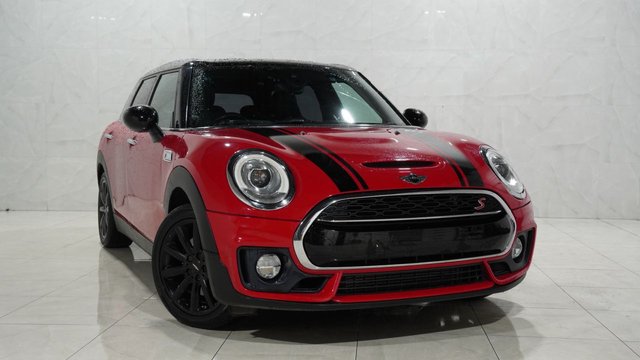
A MINI Convertible offers open-air motoring, while the Clubman has a longer body and distinctive split rear doors. The Countryman is larger and may be worth considering if you need more passenger or luggage space. Availability, equipment and engine choices vary by year, so check the details of the individual car rather than relying on the model name.
Choosing an engine and trim
Used MINIs have been sold with a variety of petrol and diesel engines, as well as, in newer model years, fully electric versions. The right choice depends on how and where you drive. A small petrol engine may suit shorter journeys and town use, while a diesel could be considered by drivers who regularly cover longer distances. For an electric MINI, think about your typical mileage, charging access and the car’s range when new; battery condition and remaining warranty are also important to investigate.
Trim levels can make a noticeable difference to equipment and comfort. Some cars may have features such as heated seats, parking sensors, a larger infotainment screen or upgraded audio, while others have a simpler specification. Check that every advertised feature is present and working, and compare cars by their actual equipment rather than trim name alone.
What to check before buying
- Service history: Look for invoices and records as well as service-book stamps. Check that maintenance has been carried out at appropriate intervals and ask about any work recommended by the manufacturer.
- MOT history: Review the car’s MOT record for recurring advisories or failures. An advisory is not necessarily a reason to walk away, but it should be understood and reflected in the price if repairs are needed.
- Bodywork and wheels: Inspect the car in good light for dents, scratches, mismatched paint and signs of previous repairs. Check the wheels for kerb damage and the tyres for even wear and adequate tread.
- Interior and electronics: Test the windows, locks, air conditioning, lights, infotainment system and other controls. Look for signs of damp, excessive wear or damage that do not match the stated mileage.
- Warning lights: Make sure dashboard warning lights illuminate as expected when the ignition is switched on and go out once the car is running. Do not ignore warning messages.
- Documents and history: Check that the vehicle identification number matches the car’s documents. Use a vehicle history check to look for issues such as outstanding finance, theft markers or recorded write-off history.
Take a proper test drive
Try to drive the MINI on a range of roads, including slower streets and faster routes where safe and practical. The engine should start readily, and the car should accelerate, steer and brake predictably. Listen for unusual noises and pay attention to vibrations, clutch feel, gear changes and the temperature gauge. Test the parking aids and other equipment during the drive if possible.
If you are considering an automatic, check that it changes gear smoothly. For an electric model, ask about the charging equipment, charging history and battery-related warranty, and make sure you can use the charging connectors and facilities that suit your circumstances.
Running costs and insurance
Running costs vary according to the MINI’s age, engine, specification and condition. Before committing, compare insurance quotes using the exact registration where possible, and check road tax, fuel or charging costs, servicing and likely replacement items such as tyres and brakes. Sportier versions and cars with larger wheels may have different ownership costs from more basic models.
It is also sensible to get an independent inspection if you are unsure about the car’s condition. A professional assessment can help identify faults that may not be obvious during a brief viewing.
Is a used MINI a good buy?
A well-maintained used MINI can offer characterful looks and an enjoyable driving experience, but the best choice is the car that suits your needs and has a convincing history. Compare several examples, verify their paperwork, take a thorough test drive and budget for ongoing maintenance. Taking time to check the details can help you choose a MINI with confidence.
Your Guide to Buying a Used Mini: Top FAQs Answered
- Is A Mini a luxury car?
- Is a Mini a cheap car?
- Which is the best 2nd hand small car to buy?
- What’s the best used MINI to buy?
- How much is it to buy a Mini?
- Which MINI is not to buy?
- Is a second hand MINI a good buy?
- Are used Minis reliable?
Is A Mini a luxury car?
A MINI is generally considered a premium small car rather than a traditional luxury car. It is known for distinctive styling, a well-finished interior and an enjoyable drive, while higher-specification models may include features often associated with luxury vehicles. However, equipment and comfort vary by model, trim and age, so check the individual car’s specification and condition when buying used.
Is a Mini a cheap car?
A MINI can be affordable to buy, particularly as a used car, but it is not always cheap to own. Running costs depend on the model, age, engine and condition, as well as insurance, fuel or charging, road tax, servicing and repairs. Some parts and maintenance may cost more than those for a basic small car, so compare insurance quotes and check the service history before you buy. A well-maintained used MINI could still offer good value if its overall costs suit your budget.
Which is the best 2nd hand small car to buy?
There’s no single best second-hand small car for everyone, as the right choice depends on your budget, driving needs and the car’s condition. A used MINI can be a good option if you value distinctive styling and an enjoyable drive, but compare it with other small cars for space, fuel economy, insurance and running costs. Whichever model you choose, check its service and MOT history, inspect it carefully and take it for a test drive before buying.
What’s the best used MINI to buy?
The best used MINI to buy depends on your budget and how you plan to use it. The MINI Hatch is a popular choice for its compact size and fun-to-drive character, while the Countryman offers more space for passengers and luggage. Look for a car with a complete service history, a clean MOT record and condition that matches its mileage, and compare engine options, trim and running costs before deciding. A thorough test drive and an independent inspection can help you find the right MINI for your needs.
How much is it to buy a Mini?
The cost of a MINI depends on the model, age, mileage, condition and specification. Older used MINIs may be available for a few thousand pounds, while newer, low-mileage or higher-specification models can cost considerably more. Check the car’s service history and compare similar listings, and remember to budget for insurance, road tax, fuel or charging, and maintenance.
Which MINI is not to buy?
There isn’t one MINI that everyone should avoid, as reliability depends on the model year, engine, maintenance and individual car. Be cautious of any used MINI with patchy service history, unresolved warning lights, repeated MOT advisories or signs of neglected maintenance, and research known issues for the exact model and engine before buying. Have the car independently inspected and check its MOT and recall history; a poorly maintained example can be a risk regardless of which MINI it is.
Is a second hand MINI a good buy?
A second-hand MINI can be a good buy if it suits your needs and has been well maintained. It offers distinctive styling, enjoyable handling and a range of models, but rear-seat and boot space can be limited in smaller versions. Before buying, check the service and MOT history, inspect the car carefully and take it for a test drive. It’s also worth comparing insurance, servicing and running costs, as these can vary between models and engines.
Are used Minis reliable?
Used MINIs can be reliable when they’ve been properly maintained, but reliability varies by model, age, engine and condition. Before buying, check the service and MOT history, look for recurring faults or advisories, and arrange a thorough test drive. An independent inspection can also help uncover problems that aren’t immediately obvious. A well-cared-for MINI with clear maintenance records is generally a safer choice than one with a patchy history.
