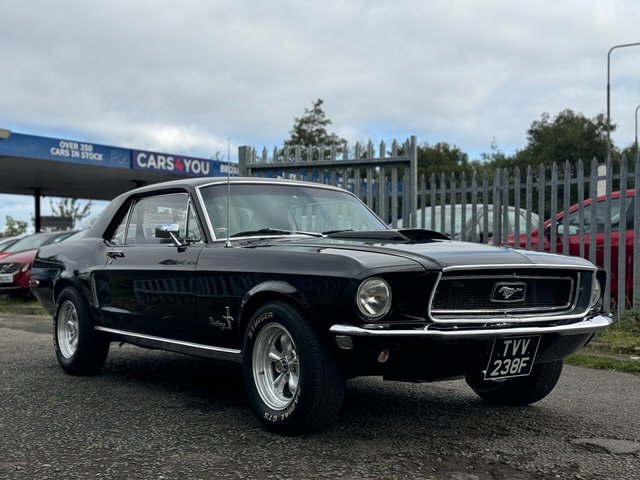
2nd Hand Cars for Sale: A Guide to Finding the Right Car
Second-Hand Cars for Sale: A Guide to Finding the Right Car
Buying a second-hand car can be a practical way to find a vehicle that suits your needs and budget. There is a wide choice of makes, models, ages and price points, from small city cars to family estates and electric vehicles. Taking time to compare your options and check a car carefully can help you make a more confident purchase.
Decide What You Need
Start by thinking about how you will use the car. A compact model may be easier to park and economical for short journeys, while a larger car could offer more room for passengers and luggage. If you regularly travel long distances, comfort, fuel economy and motorway performance may be priorities.
Make a list of useful features, such as parking sensors, a reversing camera, Bluetooth or ISOFIX points. It can also help to decide which features are essential and which are simply nice to have. This keeps your search focused and makes it easier to compare cars fairly.
Set a Realistic Budget
The purchase price is only one part of the cost of owning a car. Remember to allow for road tax, insurance, fuel or charging, servicing, tyres and possible repairs. If you are considering finance, check the total amount payable as well as the monthly payments, and read the agreement carefully before signing.
Comparing similar cars can give you a sense of whether an asking price is reasonable. Look at the vehicle’s age, mileage, specification, condition and service history. A car with a lower price may need repairs or maintenance, so consider its overall condition rather than focusing on the price alone.
Where to Look for Second-Hand Cars
Used cars are available from franchised and independent dealers, online retailers and private sellers. Buying from a business may offer extra support or consumer protections, depending on the seller and the terms of sale. A private sale may have a lower asking price, but you should make your own checks and understand your rights before proceeding.
Wherever you find a car, ask who owns it, whether there is outstanding finance and whether the seller is authorised to sell it. Be cautious if details are inconsistent, the seller pressures you to pay quickly or the price seems unusually low.
Check the Car’s History and Documents
Before agreeing to buy, check that the car’s details match its documents. The registration number, make, model, colour and Vehicle Identification Number (VIN) should correspond with the vehicle. You can use the UK Government’s online services to check a vehicle’s MOT history and basic details.
Ask to see the V5C registration certificate and service records, if available. A vehicle history check from a reputable provider may also reveal information such as outstanding finance, recorded theft or insurance write-offs. These checks can provide useful information, but they should not replace inspecting the car in person.
Inspect and Test Drive the Car
View the car in daylight, when it is dry if possible, and take time to look around it. Check for uneven paint, dents, rust, damaged lights and mismatched tyres. Inside, test the seat belts, windows, heating, air conditioning, infotainment system and other controls. Check the boot and look for signs of damp or unusual wear.
Ask the seller to let you start the engine from cold. Pay attention to warning lights, unusual noises, smoke and how the engine runs. During a test drive, check the brakes, steering, clutch and gears, and make sure the car feels stable and comfortable. Confirm that you are insured and have permission before driving. If you are unsure about the car’s condition, consider arranging an independent inspection by a qualified mechanic.
Understand the MOT and Service History
An MOT certificate shows that a vehicle met the required roadworthiness standards at the time of its test. It is not a guarantee that the car is mechanically sound today. Review the MOT history for recurring advisories or failures, and ask whether any recommended work has been completed.
A complete service history can help show how the car has been maintained. If records are missing, ask the seller what servicing has been carried out and when the next service or maintenance work is due.
Take Your Time Before Buying
Do not feel pressured to make an immediate decision. Compare several cars, ask questions and make sure you understand what is included in the sale. Get any promises about repairs, accessories or other terms in writing. Before handing over money, confirm the payment method and make sure the details are genuine.
With a clear budget, careful checks and a proper test drive, finding a second-hand car can be a straightforward process. Taking a little extra time before you buy can help you choose a car that fits your lifestyle and avoid unwelcome surprises later.
Your Guide to Buying Second-Hand Cars: Top Picks, Road Tax Tips, Pitfalls to Avoid, and the Best Websites
- What are the best 2nd hand cars to buy?
- What cars are 30 pounds a year road tax?
- What to avoid when buying a second-hand car?
- Which is the best website to buy second-hand cars?
What are the best 2nd hand cars to buy?
The best second-hand car to buy depends on your budget and how you plan to use it. Models such as the Toyota Yaris, Honda Jazz and Ford Fiesta are popular choices for everyday driving, while the Toyota Corolla, Skoda Octavia and Honda Civic can suit buyers looking for more space. Rather than choosing on reputation alone, compare running costs, safety features and insurance, and check each car’s condition, MOT history and service records. A well-maintained car that meets your needs is usually a better choice than a higher-spec model with an uncertain history.
What cars are 30 pounds a year road tax?
There isn’t a fixed list of cars with £30 road tax, as Vehicle Excise Duty (VED) depends on the car’s registration date and CO₂ emissions, and rates can change. Under earlier VED rates, some cars registered between 1 March 2001 and 31 March 2017, emitting 111–120g/km of CO₂, were charged £30 a year. That rate may no longer apply, so check the vehicle’s current tax status using its registration number on GOV.UK before you buy.
What to avoid when buying a second-hand car?
When buying a second-hand car, avoid rushing into a decision or paying a deposit before checking the vehicle and the seller. Be cautious of prices that seem unusually low, pressure to buy immediately, missing documents or details that do not match the car. Don’t rely on an MOT certificate alone: check the MOT and service history, inspect the car in daylight and take it for a test drive. If you’re unsure about its condition, arrange an independent inspection, and confirm there is no outstanding finance before you buy.
Which is the best website to buy second-hand cars?
There isn’t one best website for everyone when buying a second-hand car; the right choice depends on your budget, preferred make and model, and whether you want to buy from a dealer or a private seller. Compare listings across established car marketplaces and dealer websites, and check the vehicle’s history, MOT record, price and seller details before arranging a viewing. A listing site can help you find a car, but always inspect it and take a test drive before buying.
