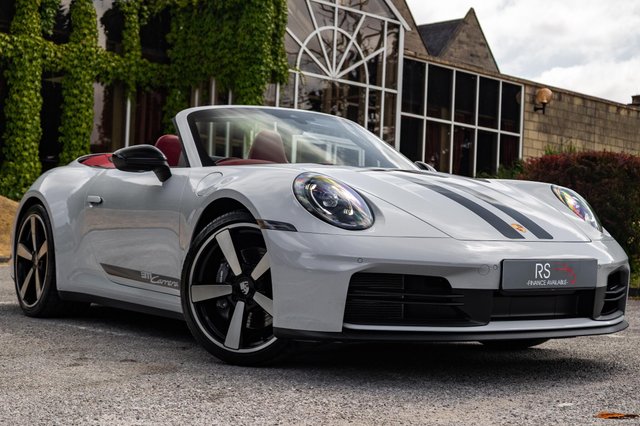
Used Porsche 911: A Buyer’s Guide to Choosing the Right Model
Buying a Used Porsche 911: What to Know Before You Buy
A used Porsche 911 can offer an engaging driving experience, everyday usability and a strong sense of occasion. The range spans decades of models, from classic air-cooled cars to modern, highly equipped examples, so there is no single “right” 911 for every buyer. The best choice depends on your budget, how you plan to use the car and the condition of the individual vehicle.
Choosing the right 911
The 911 has evolved through several generations, with changes to its engines, technology, comfort and handling. Older air-cooled models have a distinctive character and can be especially appealing to enthusiasts, but they require careful research and may need specialist maintenance. Later water-cooled generations generally offer more modern equipment and can be easier to use regularly, although age, mileage and specification still matter.
There are also different body styles and versions to consider. Coupés are a popular choice for their traditional shape, while Cabriolet models offer open-top motoring. Targa versions have their own distinctive roof design. Depending on the generation, buyers may also find rear-wheel-drive and four-wheel-drive models, as well as comfort-focused and performance-oriented variants.
Before viewing cars, think about how the 911 will be used. A daily driver may benefit from a later model with modern safety and convenience features. For weekend drives, an older or more focused version might be a better fit. Check the exact model and specification rather than relying on badges alone, as equipment and performance can vary considerably.
Condition matters more than mileage
A well-maintained 911 with higher mileage can be a better purchase than a lower-mileage car with gaps in its history. Look for a complete service record, invoices for significant work and evidence that maintenance has been carried out at appropriate intervals. A Porsche specialist can help interpret the paperwork and identify any missing information.
Inspect the car in daylight and, ideally, when it is dry. Check the bodywork for mismatched paint, uneven panel gaps, signs of previous accident repairs and corrosion where relevant to the age and model. Look over the wheels and tyres for damage or uneven wear, and make sure the tyres are a suitable match across each axle.
Inside, test all the equipment, including the air conditioning, windows, infotainment system, seat adjustments and roof mechanism on open-top models. Warning lights should illuminate as expected when the ignition is switched on and then go out once the engine is running. Any persistent warning light should be investigated before purchase.
Arrange a specialist inspection
A pre-purchase inspection by a garage familiar with Porsche 911s is strongly recommended. It can assess the engine, gearbox, clutch where fitted, suspension, brakes, cooling system and electronics, as well as check for leaks or signs of poor repairs. The inspection should be specific to the car’s age and generation, since potential issues differ across the range.
Ask the seller whether the car has been modified. Changes to the engine, suspension, exhaust or wheels may affect reliability, insurance and future resale. Modifications are not automatically a problem, but they should be properly documented and professionally carried out.
Budget for ownership costs
The purchase price is only part of the cost of owning a 911. Servicing, tyres, brakes, insurance and repairs can all be more expensive than for an ordinary family car. Costs will depend on the model, its condition, where it is maintained and how it is driven. Older cars may also need age-related work even if they have covered relatively few miles.
Get insurance quotes before committing, and ask a Porsche specialist for an estimate of upcoming maintenance. It is sensible to keep a separate budget for unexpected repairs rather than spending the full amount available on the car itself. Check the vehicle’s MOT history, tax status and recorded mileage, and confirm that the details match the documentation and vehicle identification number.
Take a proper test drive
Arrange a test drive that gives the car time to reach normal operating temperature. The engine should start and run smoothly, and the gearbox should operate without unusual noises or hesitation. Pay attention to braking, steering and suspension, and listen for knocks, rattles or other sounds that may need further investigation.
Try the car in a range of conditions, where possible, while staying within the law. A short drive around the block may not reveal issues that become apparent on faster roads or over uneven surfaces. If the seller will not allow a reasonable test drive or independent inspection, consider walking away.
Check the paperwork and ownership history
Ask for the V5C registration document, service records, invoices, MOT history and both sets of keys, if available. Check that the seller is the registered keeper or can explain their authority to sell the car. A vehicle history check can help identify outstanding finance, recorded write-offs or other issues, but it should not replace a physical inspection.
For an imported vehicle, confirm its provenance, specification and servicing history. Differences in equipment or market specification can affect parts, insurance and resale, so make sure these details are understood before agreeing a price.
Finding the right used Porsche 911
Buying a used Porsche 911 is best approached with patience. Compare several examples, research the specific generation and model, and judge each car on its history and condition rather than its appearance alone. A thorough inspection and realistic ownership budget can help avoid costly surprises and make it easier to choose a 911 that suits both your needs and your enthusiasm for driving.
Essential Tips for Buying a Used Porsche 911: A Comprehensive Guide
- Choose the generation and engine that suit your budget and use.
- Check the service history and verify mileage against records.
- Arrange an inspection by a Porsche specialist before buying.
- For a 996 or early 997, ask about the IMS bearing and any work done.
- Check suitable 997 models for signs of cylinder bore scoring.
- Review ECU over-revs and engine data where available.
- Inspect for oil leaks, accident damage and poor repairs.
- Test the clutch, gearbox, brakes and suspension thoroughly.
- Budget for specialist maintenance, tyres and unexpected repairs.
Choose the generation and engine that suit your budget and use.
Choose a Porsche 911 generation and engine that suit both your budget and how you plan to use the car. Older models can offer a more classic driving experience, while newer generations typically bring greater comfort, technology and everyday practicality, but may cost more to buy and maintain. Consider whether you want a weekend car or something for regular use, and compare likely fuel, servicing, insurance and repair costs before deciding. Don’t focus on the purchase price alone: a well-maintained 911 with a clear history may be a better choice than a cheaper example that needs expensive work.
Check the service history and verify mileage against records.
Before buying a used Porsche 911, check its service history carefully and look for supporting invoices, not just stamps in the service book. Compare the recorded mileage across MOT certificates, service records and other documents to make sure it rises consistently and there are no unexplained gaps or discrepancies. A complete, credible history can help show that the car has been maintained properly and give you a clearer picture of its condition; if anything is missing or unclear, ask the seller for an explanation and consider having the car checked by a Porsche specialist.
Arrange an inspection by a Porsche specialist before buying.
Before buying a used Porsche 911, arrange a pre-purchase inspection with a Porsche specialist. They can assess the engine, gearbox, brakes, suspension and electronics, check for leaks or signs of previous repairs, and highlight any maintenance the car may soon need. This expert assessment can help you make an informed decision, negotiate fairly and avoid unexpected repair costs.
For a 996 or early 997, ask about the IMS bearing and any work done.
When viewing a Porsche 911 from the 996 generation or an early 997, ask whether the intermediate shaft (IMS) bearing has been inspected, replaced or otherwise addressed. Request invoices or other supporting records, as work can vary by engine and model year, and do not assume it has been completed just because the seller says so. If the history is unclear, have a Porsche specialist assess the car and explain any relevant risks before you buy.
Check suitable 997 models for signs of cylinder bore scoring.
On suitable Porsche 911 (997) models, ask a Porsche specialist to check for signs of cylinder bore scoring before you buy. The risk varies by engine and model, so confirm whether the particular car may be affected rather than assuming all 997s are alike. A specialist can inspect the engine for symptoms such as unusual knocking, excessive oil consumption or smoke from the exhaust, and may recommend further diagnostic checks. Addressing any concerns before purchase can help you avoid an expensive repair.
Review ECU over-revs and engine data where available.
Where available, ask a Porsche specialist to review the ECU over-rev data and other stored engine information before buying. The report may show whether the engine has exceeded its recommended rev range and can help put the car’s history in context, but it should not be treated as a definitive verdict on condition. Ask the specialist to explain the results alongside the service records, inspection findings and any relevant engine work.
Inspect for oil leaks, accident damage and poor repairs.
When viewing a used Porsche 911, inspect carefully for oil leaks, signs of accident damage and evidence of poor-quality repairs. Look beneath the car and around the engine for fresh oil or residue, and check the bodywork for uneven panel gaps, mismatched paint and inconsistent finishes. These signs don’t always mean the car should be ruled out, but they should be investigated by a Porsche specialist before you buy, as repairs can be costly.
Test the clutch, gearbox, brakes and suspension thoroughly.
When viewing a used Porsche 911, test the clutch, gearbox, brakes and suspension thoroughly during a proper test drive. The clutch should engage smoothly without slipping, while the gearbox should select every gear cleanly and without unusual noise. Check that the brakes feel progressive and do not pull the car to one side, and listen for knocks or rattles from the suspension over uneven roads. If anything feels or sounds wrong, arrange an inspection by a Porsche specialist before agreeing to buy.
Budget for specialist maintenance, tyres and unexpected repairs.
When budgeting for a used Porsche 911, remember that the purchase price is only part of the cost. Specialist servicing, quality tyres and replacement parts can be more expensive than for an everyday car, and an older vehicle may need unexpected repairs. Get an estimate from a Porsche specialist, check what maintenance is due and set aside a contingency fund before you buy.
