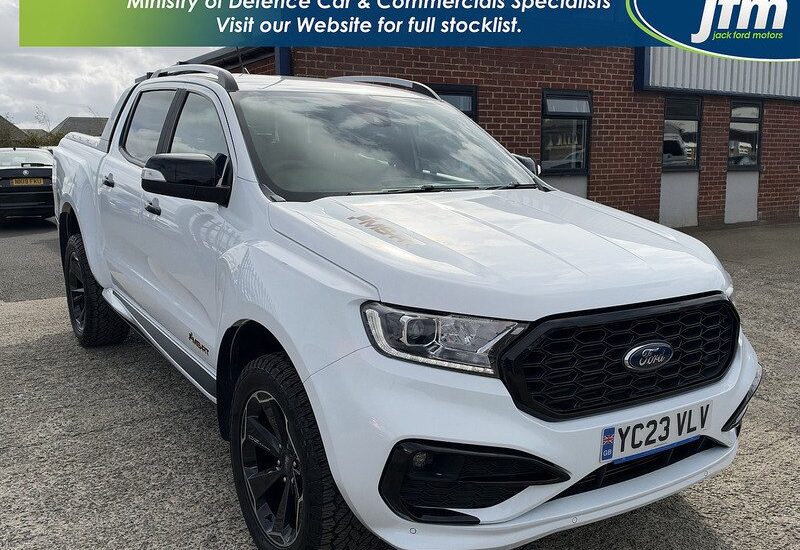
Vehicles for Sale: Find the Right Car for Your Needs
Vehicles for Sale: How to Find the Right One
Whether you are looking for a first car, a family vehicle or something suited to regular long journeys, there are plenty of vehicles for sale to consider. Taking time to compare your options can help you find a vehicle that fits your needs, budget and lifestyle.
Choose the Right Type of Vehicle
Start by thinking about how you will use your vehicle. A small hatchback may be practical for commuting and city driving, while an estate or SUV could offer more room for passengers and luggage. If you often travel long distances, comfort and fuel economy may be priorities. For occasional use, a smaller, more affordable model might be a better fit.
It is also worth considering whether a petrol, diesel, hybrid or electric vehicle suits your regular journeys. Think about fuel costs, access to charging and the kind of driving you do before making a decision.
Set a Realistic Budget
The purchase price is only one part of the cost of owning a vehicle. Remember to budget for insurance, road tax where applicable, fuel or electricity, servicing, MOT tests and any repairs. If you are considering finance, check the total amount payable and make sure the repayments are affordable over the full term.
Comparing vehicles with similar age, mileage and specifications can help you judge whether an asking price is reasonable. A vehicle’s service history, condition and number of previous keepers may also affect its value.
Check the Vehicle Carefully
Before agreeing to buy, inspect the vehicle in good light and take your time. Look for signs of damage, uneven tyre wear, rust or differences in paintwork. Check that the lights, windows, air conditioning and other equipment work as expected.
Ask to see the vehicle’s service records and relevant paperwork. You can also check its MOT history and make sure the details match the vehicle. If anything is unclear, ask the seller before proceeding. An independent inspection may provide extra reassurance, particularly when buying a used vehicle.
Take a Test Drive
A test drive can help you decide whether the vehicle feels right. If possible, try it on a variety of roads and pay attention to how it starts, accelerates, brakes and handles. Listen for unusual noises and check that the dashboard warning lights behave as expected. Make sure you are insured and have the seller’s permission before driving.
Complete the Sale Properly
Once you have chosen a vehicle, make sure the payment method and handover arrangements are clear. Get a receipt and confirm that you receive the relevant documents, including the V5C log book where applicable. The registered keeper should notify the DVLA of the change of ownership, and the new keeper will need to arrange vehicle tax before driving the vehicle.
Take Your Time
There is no need to rush when comparing vehicles for sale. Decide what matters most, check the details and ask questions if you need more information. A careful approach can help you find a vehicle that suits your requirements and gives you confidence in your purchase.
Essential FAQs for Buying a Vehicle: Inspections, History Checks, Costs, Test Drives, and Required Paperwork
- What should I check before buying a used vehicle?
- How can I check a vehicle’s MOT history and service records?
- What costs should I budget for when buying a vehicle?
- Can I test-drive a vehicle before I buy it?
- What paperwork do I need when buying a vehicle privately?
What should I check before buying a used vehicle?
Before buying a used vehicle, check its condition, mileage, service history and MOT history, and make sure the details match the V5C log book. Look for signs of damage, rust, uneven tyre wear or warning lights, and test that key features work. Take a test drive, listening for unusual noises and checking how the vehicle handles and brakes. You may also wish to arrange an independent inspection and check for outstanding finance or other issues. Before paying, confirm the total price, paperwork and handover arrangements with the seller.
How can I check a vehicle’s MOT history and service records?
You can check a vehicle’s MOT history free of charge using the GOV.UK vehicle history service. You’ll need the registration number to see past test results, recorded mileage, expiry dates and any failures or advisories. For service records, ask the seller for the service book, invoices and receipts, then check that the dates and mileages appear consistent. If records are digital, the seller can ask the relevant garage or manufacturer to confirm them. These checks can help you assess a vehicle’s history, but they do not guarantee its current condition.
What costs should I budget for when buying a vehicle?
When buying a vehicle, budget for more than the purchase price. Remember to factor in insurance, vehicle tax, fuel or charging, and ongoing costs such as servicing, MOT tests, tyres and repairs. You may also need to allow for finance charges, parking permits or any work required soon after purchase. These costs vary depending on the vehicle and how you use it, so check them before committing to a sale.
Can I test-drive a vehicle before I buy it?
Yes, you can usually ask to test-drive a vehicle before buying it, and it’s a good way to check that it feels right for you. Arrange the drive with the seller in advance, make sure you’re insured and have permission to drive, and take a route that includes different road conditions if possible. Use the opportunity to check the brakes, steering, gears and any unusual noises.
What paperwork do I need when buying a vehicle privately?
When buying a vehicle privately, ask the seller for the V5C log book and make sure the details match the vehicle; the seller should notify the DVLA of the sale, and you should receive the new keeper slip. Get a dated receipt showing the vehicle’s registration, make and model, sale price, and the buyer’s and seller’s names and addresses. It is also useful to see any service history and check the MOT history online. The V5C is not proof of ownership, so carry out appropriate checks before paying. Vehicle tax does not transfer to you, so arrange your own tax and insurance before driving.
