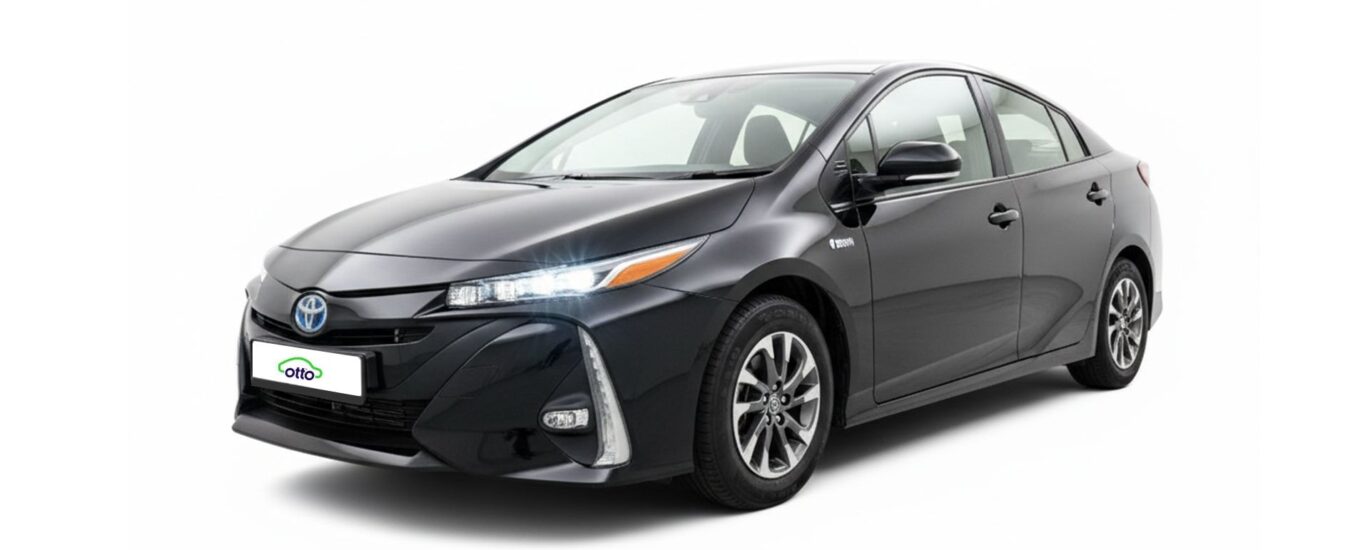
Used Toyota Prius: What to Know Before You Buy
Used Toyota Prius: What to Know Before You Buy
The Toyota Prius is one of the best-known hybrid cars on the used market. It combines a petrol engine with an electric motor to help reduce fuel consumption, particularly in stop-start traffic. A used Prius can be a practical choice for commuting, family trips or city driving, but its age, condition and maintenance history matter just as much as its reputation for reliability.
Why choose a used Prius?
The Prius is designed to switch between petrol and electric power, with the system managing the transition automatically. It does not usually need to be plugged in: the battery is charged through the car’s hybrid system, including regenerative braking. Plug-in Hybrid versions are also available, offering the ability to charge the battery from an external power source and drive for a limited distance on electric power alone.
Many owners value the Prius for its fuel economy, smooth driving in traffic and spacious cabin. Equipment, boot space and technology vary between generations and trim levels, so check the specification of the individual car rather than assuming every model has the same features.
Choosing the right model
Prius models have changed considerably over the years. Older examples may be more affordable to buy, while newer versions can offer updated safety equipment, improved infotainment and a more modern interior. The Prius+ (also known as the Prius Alpha in some markets) is a larger, seven-seat option, while the Prius Plug-in Hybrid is aimed at drivers who can charge regularly.
When comparing cars, consider how and where you drive. A standard hybrid may suit someone who wants a straightforward car without needing to install a charger. A plug-in model may be worth considering if you can charge at home or work and many of your journeys are short. Check the battery’s condition and the vehicle’s electric range carefully, especially on an older plug-in model.
What to check when viewing a used Prius
- Service history: Look for evidence of regular servicing and ask whether any recommended work is outstanding.
- Hybrid battery: Ask about its condition, any previous repairs and whether the car has had a hybrid health check. A dashboard warning should be investigated before purchase.
- Brake system: Regenerative braking means the brakes may be used differently from those on a conventional car. Check for warning lights, unusual noises or a poor pedal feel.
- Tyres and suspension: Uneven tyre wear, knocks over bumps or wandering through corners may point to worn components or alignment problems.
- Bodywork and interior: Check for accident damage, water leaks, worn controls and signs that the car has been heavily used as a taxi or private-hire vehicle.
- Air conditioning and electrical equipment: Test the climate control, cameras, parking sensors, windows and infotainment system.
- Recalls and outstanding work: Ask a Toyota dealer to check the vehicle’s history by registration or VIN, and make sure any applicable recall work has been completed.
Arrange a test drive that includes both town roads and faster routes. The car should accelerate smoothly, and the petrol engine may start and stop as the hybrid system operates. That can be normal, but warning messages, persistent unusual noises or jerky behaviour deserve further investigation. An independent inspection can provide extra reassurance.
Running costs and ownership
A Prius can be economical to run, but actual fuel consumption depends on the model, driving style, journey length, weather, tyres and vehicle condition. Hybrids often perform particularly well in slower traffic, while frequent high-speed journeys may produce different results. Compare insurance quotes and check the cost and availability of replacement parts before buying an older example.
Do not assume that every Prius qualifies for the same emissions-related benefits. Clean-air-zone rules and charges can change, and eligibility depends on the exact vehicle and the rules in force. Check the relevant official website using the registration number before travelling.
Is a used Toyota Prius right for you?
A well-maintained Prius can be a comfortable and efficient used car, especially for drivers who spend time in urban traffic. The right choice depends on your budget, the condition of the individual vehicle and whether you need a standard hybrid, a plug-in version or a larger Prius+.
Before committing, compare several cars, check their history and arrange a thorough inspection. A clear service record and a healthy hybrid system are more important than choosing the newest-looking example.
Top 8 Advantages of Choosing a Used Toyota Prius: Fuel Efficiency, Comfort, and Reliability
- Excellent fuel economy, especially in town
- Smooth, quiet driving in traffic
- Proven hybrid technology
- No need to plug in standard models
- Spacious, practical interior
- Comfortable for everyday journeys
- Wide choice of used models
- Strong reputation for reliability
Considerations When Buying a Used Toyota Prius: Potential Drawbacks to Keep in Mind
- Hybrid battery repairs can be expensive.
- Older models may have dated interiors and technology.
- Fuel economy can drop on long, fast journeys.
- Some used examples may have high mileage from taxi use.
- Plug-in versions need regular charging to maximise efficiency.
Excellent fuel economy, especially in town
One of the biggest advantages of a used Toyota Prius is its excellent fuel economy, particularly around town. Its hybrid system can use electric power at lower speeds and recover energy when slowing down, helping to reduce petrol use in stop-start traffic. This makes the Prius a practical choice for urban commutes and frequent short journeys, although actual fuel consumption will depend on the model, its condition and how it is driven.
Smooth, quiet driving in traffic
A used Toyota Prius can make busy town driving feel calmer and more comfortable. Its hybrid system often uses electric power at low speeds, helping the car move away smoothly and quietly in traffic. With no conventional gear changes to feel, stop-start journeys can be less tiring, while the petrol engine starts when needed to provide extra power.
Proven hybrid technology
The Toyota Prius benefits from decades of development in hybrid technology, giving used-car buyers a system with a long track record on the road. Its petrol engine and electric motor work together automatically, helping to make driving smooth and efficient, particularly in stop-start traffic. This established technology can make the Prius an appealing choice for drivers looking for the advantages of a hybrid without needing to plug in.
No need to plug in standard models
One of the main advantages of a standard used Toyota Prius is that it does not need to be plugged in. Its hybrid battery charges automatically as you drive, using the petrol engine and energy recovered during braking, so there is no need to install a home charger or plan trips around charging stops. This makes the Prius a convenient option if you want the benefits of hybrid technology with the familiar routine of filling up at a petrol station.
Spacious, practical interior
The Toyota Prius offers a spacious, practical interior that makes everyday journeys comfortable and convenient. There’s generous room for passengers, useful storage for smaller items and a versatile boot for shopping, luggage or family essentials. The rear seats can also be folded down to create extra space when you need to carry larger loads, making a used Prius a sensible choice for both daily driving and longer trips.
Comfortable for everyday journeys
The Toyota Prius is well suited to everyday journeys, with a smooth hybrid system that makes stop-start traffic and urban driving feel relaxed. Its comfortable cabin, supportive seats and quiet operation help make commuting and running errands less tiring, while the practical interior offers useful space for passengers and luggage.
Wide choice of used models
A major advantage of buying a used Toyota Prius is the wide choice of models available. From earlier, more affordable versions to newer models with updated technology and safety features, there’s a Prius to suit a range of budgets and needs. Buyers can also compare standard hybrids, plug-in versions and the roomier Prius+, making it easier to find the right balance of price, equipment, space and fuel efficiency.
Strong reputation for reliability
The Toyota Prius has earned a strong reputation for reliability, making a well-maintained used model an appealing choice for drivers seeking dependable everyday transport. Its hybrid technology has been refined over several generations, and many owners report years of trouble-free motoring. As with any used car, reliability depends on its condition and maintenance, so check the service history and have the hybrid system inspected before buying.
Hybrid battery repairs can be expensive.
One potential drawback of buying a used Toyota Prius is the cost of hybrid battery repairs. Although the battery is designed to last, age, mileage and previous use can affect its condition, and replacing or repairing it may be expensive. Before buying, ask about the battery’s history and condition, check for warning lights, and consider arranging a hybrid health check so you can make a more informed decision.
Older models may have dated interiors and technology.
Older Toyota Prius models may feel dated inside compared with newer cars, with less modern styling, simpler infotainment systems and fewer of the latest connectivity and driver-assistance features. Before buying, check that the equipment suits your needs, as features can vary between model years and trim levels.
Fuel economy can drop on long, fast journeys.
Although the Toyota Prius can be very economical in stop-start traffic, its fuel economy may drop on long, fast journeys. At motorway speeds, the petrol engine has to work harder and there are fewer opportunities for regenerative braking, so the car may use more fuel than you expect. If most of your driving is on motorways, compare real-world figures for the specific model and consider whether a conventional petrol or diesel car might better suit your needs.
Some used examples may have high mileage from taxi use.
Some used Toyota Prius models may have covered high mileages after being used as taxis or private-hire cars. Although the Prius is built for regular use, heavy stop-start driving can cause more wear to components such as the brakes, suspension and interior. Check the mileage alongside the service history, look for signs of intensive use and arrange an independent inspection before buying.
Plug-in versions need regular charging to maximise efficiency.
Plug-in versions of the Toyota Prius deliver their best efficiency when charged regularly, so they may be less appealing if you cannot plug in at home or work. Without frequent charging, you may rely more on the petrol engine and miss out on some of the fuel-saving benefits that make the plug-in model attractive.
