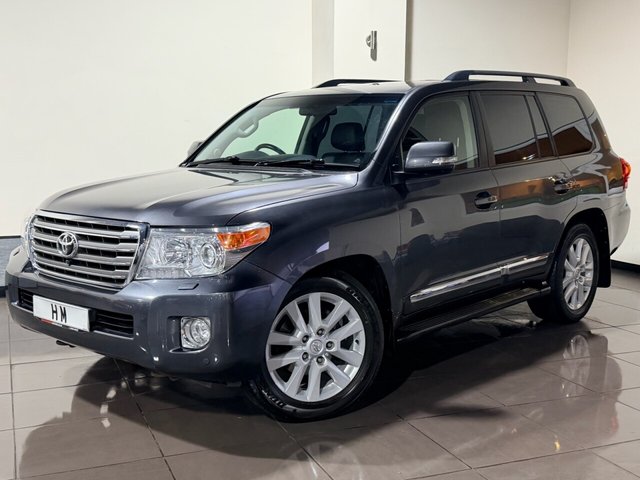
Used Toyota: A Guide to Buying the Right Car
Buying a Used Toyota: What to Know
Toyota has built a strong reputation for reliability, practicality and efficient cars. Its used range includes everything from small city cars and family hatchbacks to SUVs, estates and hybrids. Whether you need an economical runabout or a spacious family car, a used Toyota could be worth considering.
Why choose a used Toyota?
Many buyers look at Toyota because of its broad model range and reputation for dependable motoring. The brand also offers a choice of petrol, hybrid and, on some models, electric powertrains. A used car can cost less to buy than a new one, while still offering useful features and modern safety equipment.
Reliability can vary between individual cars, so it is important to assess the vehicle’s condition, service history and maintenance rather than relying on the badge alone. Repair costs, insurance and fuel economy will also depend on the model, age and how the car is driven.
Popular used Toyota models
- Toyota Yaris: A compact hatchback suited to town driving and commuting. Hybrid versions are widely available on the used market.
- Toyota Corolla: A practical family hatchback or estate, often chosen for its comfortable everyday driving and hybrid options.
- Toyota C-HR: A distinctive crossover with a raised driving position. Check that its size and rear visibility suit your needs.
- Toyota RAV4: A larger SUV with more room for passengers and luggage. Running costs can be higher than for smaller models.
- Toyota Aygo: A small city car that may appeal to drivers looking for an easy-to-park option. Equipment and refinement vary by generation.
Petrol, hybrid or electric?
The best powertrain depends on your journeys. A petrol Toyota may suit drivers who mainly make shorter trips and want a straightforward choice. A hybrid can be particularly useful in stop-start urban traffic, though its real-world economy depends on the model and driving conditions. Toyota’s electric options may suit drivers who can charge at home or have convenient access to public charging.
Before choosing, compare the official fuel or energy figures with independent real-world reports, and consider your typical mileage. For a hybrid, ask about the car’s history and have it inspected by a suitably qualified technician if you have concerns.
What to check before buying
A careful inspection can help you avoid unexpected costs. Review the service records and make sure the mileage is consistent with the car’s history. Check for outstanding finance, previous damage or other recorded events using a reputable vehicle-history service, and confirm that the vehicle identification number matches its documents.
- Look for uneven tyre wear, body damage, rust and signs of poor repairs.
- Check that the air conditioning, infotainment system, lights and other electrical features work correctly.
- Take a test drive on a variety of roads, listening for unusual noises and checking that the car brakes and handles smoothly.
- Ask whether the car has had any recalls or software updates completed; a Toyota dealer can advise using the vehicle details.
- Check the MOT history online and make sure any advisory items have been addressed.
If you are buying from a dealer, ask what warranty and after-sales support are included. When buying privately, inspect the car in daylight, meet at the registered keeper’s address where possible, and never feel pressured to pay before you are satisfied with the vehicle and paperwork.
Consider the total cost
The purchase price is only one part of the cost of owning a car. Get insurance quotes before committing, and consider road tax, fuel, servicing, tyres and any repairs that may be due. Compare several cars of similar age, mileage and specification, and budget for maintenance even if the vehicle appears to be in excellent condition.
Is a used Toyota right for you?
A used Toyota may be a good fit if you want a practical car with a wide choice of sizes and powertrains. The right model will depend on your space requirements, budget and driving habits. Research the specific model and year, check the car’s history, and arrange an inspection or test drive before you buy. Taking those steps can help you choose a Toyota that suits your needs and offers good value for money.
Essential Tips for Buying a Used Toyota: A Comprehensive Guide
- Check the service history and MOT records.
- Look for outstanding recalls using the registration or VIN.
- Test the clutch, gearbox and brakes on a drive.
- Check hybrid battery health on hybrid models.
- Inspect tyres for even wear and adequate tread.
- Look for rust, dents and signs of poor repairs.
- Try every feature, including air conditioning and lights.
- Compare the price with similar Toyotas locally.
- Arrange an independent inspection before buying.
Check the service history and MOT records.
Check the service history and MOT records before buying a used Toyota. A complete service history can show whether the car has been maintained regularly and whether important work has been carried out. MOT records let you review its test results, mileage readings and any recurring advisories. Together, these records can help you spot potential issues and ask the seller informed questions before making a decision.
Look for outstanding recalls using the registration or VIN.
Before buying a used Toyota, check whether it has any outstanding safety recalls using the registration number or vehicle identification number (VIN). Recalls address faults that may affect a vehicle’s safety or performance, and necessary repairs are usually carried out free of charge by an authorised Toyota dealer. Ask the seller for evidence that any recall work has been completed, or contact a Toyota dealer to confirm the car’s status before you buy.
Test the clutch, gearbox and brakes on a drive.
When test-driving a used Toyota, check that the clutch, gearbox and brakes work smoothly. The clutch should engage without slipping or juddering, and the gears should shift easily without grinding or resistance. Test the brakes in a safe place: the car should slow down steadily, without pulling to one side, vibrating or making unusual noises. Any problems could point to wear or a need for repairs, so ask the seller about them and consider having the car inspected by a qualified mechanic before you buy.
Check hybrid battery health on hybrid models.
When viewing a used Toyota hybrid, check the condition of its hybrid battery before you buy. Ask for any available service or diagnostic records, and consider having the system assessed by a Toyota dealer or qualified hybrid specialist. A professional check can identify warning signs that may not be obvious during a test drive and help you understand whether future battery-related costs are likely.
Inspect tyres for even wear and adequate tread.
Inspect the tyres on a used Toyota for even wear across the tread, as uneven wear may point to incorrect alignment, suspension issues or poor maintenance. Check that the tread is above the UK legal minimum of 1.6mm across the central three-quarters of the tyre, around its entire circumference, and look for cuts, bulges or cracks. If anything looks wrong, ask a qualified mechanic to check the car and factor the cost of replacement tyres into your budget.
Look for rust, dents and signs of poor repairs.
When viewing a used Toyota, inspect the bodywork carefully for rust, dents and signs of poor repairs. Pay particular attention to the wheel arches, sills, door edges and areas around the boot, where damage or corrosion can be easy to miss. Mismatched paint, uneven panel gaps or rough finish may suggest previous accident repairs. If anything concerns you, ask the seller about it and consider having the car checked by an independent mechanic before buying.
Try every feature, including air conditioning and lights.
When viewing a used Toyota, try every feature to make sure it works as it should. Test the air conditioning, lights, windows, infotainment system, parking sensors and any other equipment fitted to the car. Small faults can be easy to overlook, but fixing them may add to your costs after purchase.
Compare the price with similar Toyotas locally.
Before buying a used Toyota, compare its asking price with similar models for sale in your area. Look at cars of the same model, age, mileage, trim and condition to judge whether the price is fair. If one car is noticeably cheaper, check carefully for high mileage, damage, missing service history or upcoming maintenance; if it costs more, see whether its specification, condition or warranty justifies the difference.
Arrange an independent inspection before buying.
Before buying a used Toyota, consider arranging an independent inspection with a qualified mechanic or vehicle inspection service. They can check the car’s mechanical condition, bodywork and key components, and may spot issues that are not obvious during a test drive. Ask for a written report, then use any findings to decide whether to proceed or discuss repairs and the price with the seller.
