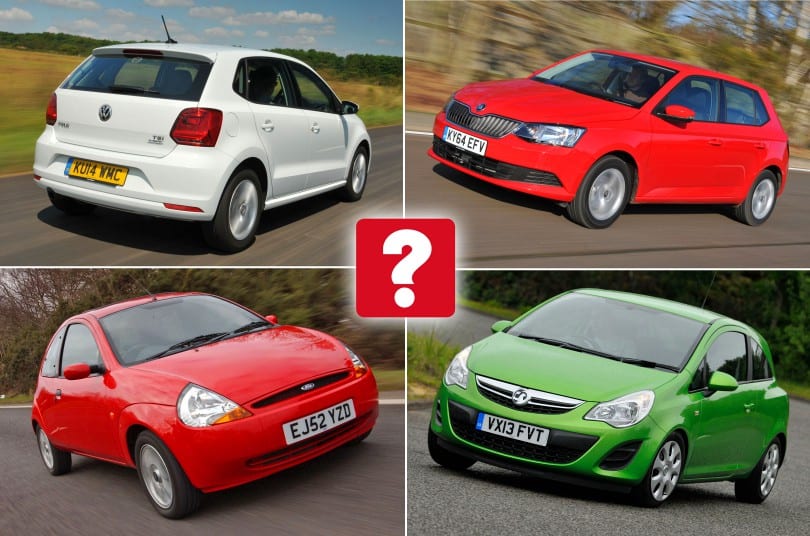
Top Picks: Best Used Cars to Buy for Value and Quality
The Best Used Cars to Buy
Buying a used car can be a great way to save money while still getting a reliable vehicle. If you’re in the market for a used car and wondering which models are worth considering, we’ve got you covered. Here are some of the best used cars to buy:
Toyota Corolla
The Toyota Corolla is known for its reliability, fuel efficiency, and low maintenance costs. It’s a popular choice among used car buyers due to its longevity and resale value.
Honda Civic
The Honda Civic offers a comfortable ride, excellent fuel economy, and a reputation for durability. With its sleek design and practical features, the Civic is a top contender in the used car market.
Ford Focus
The Ford Focus is praised for its agile handling, spacious interior, and affordable price tag. Whether you’re looking for a compact car for city driving or longer commutes, the Focus delivers on all fronts.
Volkswagen Golf
The Volkswagen Golf combines style, performance, and quality craftsmanship in one package. Its upscale interior and strong resale value make it an attractive option for those seeking a premium driving experience at a reasonable price.
Mazda3
The Mazda3 stands out for its sporty handling, upscale cabin design, and advanced safety features. It’s a versatile choice that appeals to drivers who value both performance and comfort in their daily commute.
When shopping for a used car, consider factors such as mileage, maintenance history, and overall condition before making your decision. With the right research and due diligence, you can find a quality used car that meets your needs without breaking the bank.
Top 8 Advantages of Choosing the Best Used Cars: Reliability, Cost-Effectiveness, and More
- Reliable
- Cost-effective
- Lower depreciation
- Variety
- Proven track record
- Affordable insurance
- Less risk of hidden fees
- Environmentally friendly
Considerations When Buying the Best Used Cars: 6 Potential Drawbacks
- Higher risk of unexpected repairs due to wear and tear
- Limited or no warranty coverage compared to new cars
- Potential for higher insurance premiums based on the car’s age and model
- Previous owner’s driving habits and maintenance may impact long-term reliability
- Technology features may be outdated compared to newer models
- Resale value may not hold as well over time
Reliable
When considering the advantages of purchasing the best used cars, reliability stands out as a key benefit. The top used cars on the market are renowned for their exceptional durability and longevity. With a proven track record of standing the test of time, these vehicles offer peace of mind to buyers looking for a dependable and long-lasting investment. Choosing a reliable used car not only ensures continued performance but also minimizes the need for frequent repairs, making it a practical and cost-effective choice for discerning buyers.
Cost-effective
Opting for a used car can be a cost-effective choice as it presents the opportunity to save money on the initial purchase price. By choosing a pre-owned vehicle, you can often acquire a reliable and well-maintained car at a significantly lower cost compared to buying brand new. This cost-saving benefit allows you to allocate your budget more efficiently or even consider higher-end models that may have been out of reach if purchased new. Ultimately, the affordability of used cars makes them an attractive option for those looking to make a smart investment without compromising on quality.
Lower depreciation
When considering the advantages of purchasing the best used cars, one notable pro is the lower depreciation rate compared to brand new vehicles. Used cars have already gone through the steepest phase of their depreciation curve, meaning that their value tends to stabilize over time. This can be beneficial for buyers as they can potentially avoid significant losses in value that often occur during the initial years of ownership with new cars. By opting for a used car, buyers can benefit from a more stable resale value and potentially save money in the long run.
Variety
The variety available in the used car market is a significant advantage for buyers. With a diverse selection of models, makes, and years to choose from, individuals have the opportunity to find a vehicle that perfectly suits their preferences and budget. Whether you’re looking for a specific brand, a particular feature set, or a certain style, the abundance of options in the used car market ensures that there is something for everyone. This variety allows buyers to explore different choices and make a well-informed decision based on their unique requirements and desires.
Proven track record
When considering the advantages of purchasing the best used cars, one notable pro is their proven track record. Many top used car models have built strong reputations for their consistent performance and quality over time. This reliability factor provides buyers with added confidence in their investment, knowing that these vehicles have a history of delivering on both performance and durability. By opting for a used car with a proven track record, customers can enjoy peace of mind and trust in the vehicle’s capabilities, making it a wise choice for those seeking a dependable and high-quality driving experience.
Affordable insurance
Insuring a used car can offer a significant advantage in terms of affordability compared to insuring a new vehicle. Insurance premiums for used cars are typically lower due to their lower market value and potentially lower repair costs. This cost-saving benefit allows car owners to enjoy comprehensive coverage at a more budget-friendly rate, making used cars an attractive option for those looking to save money on insurance expenses while still ensuring their vehicle is adequately protected.
Less risk of hidden fees
When opting for the best used cars to buy, one significant advantage is the reduced risk of hidden fees. By conducting thorough research and inspections, buyers can steer clear of unforeseen expenses often associated with purchasing new vehicles. This transparency allows buyers to make informed decisions, ensuring a smoother and more cost-effective buying process.
Environmentally friendly
Choosing to purchase a used car not only benefits your wallet but also the environment. By opting for a pre-owned vehicle, you are actively contributing to reducing the demand for new vehicle production, which in turn helps lower the overall carbon footprint. This environmentally friendly approach promotes sustainability by extending the lifespan of existing cars and minimising the resources required for manufacturing new ones. Making a conscious decision to buy a used car is a small yet impactful step towards a greener future for all.
Higher risk of unexpected repairs due to wear and tear
When considering the purchase of a used car, one significant drawback to keep in mind is the higher risk of unexpected repairs stemming from wear and tear. As vehicles age, components naturally degrade over time, potentially leading to unforeseen maintenance issues that may require immediate attention. This aspect highlights the importance of thorough inspections and maintenance records when buying a used car, as being aware of the vehicle’s history can help mitigate the risk of costly repairs down the line.
Limited or no warranty coverage compared to new cars
When considering the purchase of a used car, one significant drawback to keep in mind is the limited or sometimes non-existent warranty coverage compared to new cars. Unlike brand-new vehicles that typically come with comprehensive warranties that offer protection against unexpected repairs for a set period, used cars may have expired warranties or only minimal coverage remaining. This means that buyers of used cars could potentially face higher out-of-pocket expenses for any unforeseen mechanical issues or repairs that may arise shortly after the purchase. It is essential for buyers to factor in this con and consider the potential costs of maintenance and repairs when choosing a used car to ensure they make an informed decision that aligns with their budget and needs.
Potential for higher insurance premiums based on the car’s age and model
When considering the purchase of a used car, one significant drawback to keep in mind is the potential for higher insurance premiums based on the car’s age and model. Insurers often take into account factors such as the vehicle’s age, make, and model when determining insurance rates. Older cars or models with higher repair costs may result in increased insurance premiums due to the perceived higher risk of accidents or theft. It’s essential for buyers to factor in these potential additional costs when budgeting for a used car purchase to ensure they can afford both the vehicle and its associated insurance expenses.
Previous owner’s driving habits and maintenance may impact long-term reliability
When considering the purchase of a used car, one significant drawback to keep in mind is that the previous owner’s driving habits and maintenance practices can have a lasting impact on the vehicle’s long-term reliability. If the previous owner neglected regular maintenance schedules, engaged in aggressive driving behaviours, or failed to address potential issues promptly, it could lead to premature wear and tear on critical components. This lack of proper care and maintenance may result in increased repair costs and potential mechanical issues down the line, highlighting the importance of thoroughly inspecting a used car’s history and condition before making a purchase decision.
Technology features may be outdated compared to newer models
When considering the purchase of a used car, one significant drawback to keep in mind is that the technology features may be outdated compared to newer models. While older vehicles may still offer essential functions, such as navigation systems or infotainment displays, they might lack the latest advancements seen in more recent releases. This could mean missing out on cutting-edge safety technologies, connectivity options, or entertainment systems that have become standard in modern vehicles. It’s essential for buyers to weigh the trade-off between cost savings and having access to the latest tech features when opting for a used car.
Resale value may not hold as well over time
When considering the purchase of a used car, one important con to keep in mind is that the resale value may not hold as well over time. Unlike some new cars that retain their value relatively well, used cars can experience depreciation at varying rates depending on factors such as age, mileage, and overall condition. This means that while you may initially save money by buying a used car, you could potentially face a greater loss when it comes time to sell or trade in the vehicle. It’s essential to research and choose a used car model known for retaining its value to mitigate this risk and make a more informed purchasing decision.
