Exploring the World of Classic Car Dealerships: Preserving Automotive Heritage
The World of Classic Car Dealers
Classic car dealers play a crucial role in the preservation and promotion of vintage automobiles. These specialists are not just sellers; they are enthusiasts, historians, and custodians of automotive heritage.
What Sets Classic Car Dealers Apart?
Unlike regular car dealerships, classic car dealers focus on vehicles with historical significance, rarity, or unique design. They cater to a niche market of collectors, hobbyists, and aficionados who appreciate the craftsmanship and beauty of vintage cars.
Their Expertise
Classic car dealers possess in-depth knowledge about different makes and models from various eras. They can identify authentic components, assess the condition of a vehicle, and provide valuable insights into its history and provenance.
Curating Collections
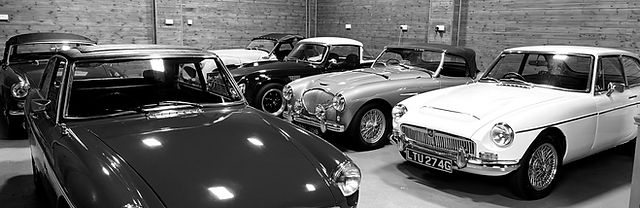
Many classic car dealers curate collections of rare and iconic automobiles. These curated showcases not only attract buyers but also serve as educational resources for enthusiasts interested in learning about automotive history.
The Buying Experience
When purchasing a classic car from a dealer, buyers can expect a personalised experience tailored to their preferences. Dealers often offer services such as vehicle inspections, appraisals, restoration advice, and even assistance with transportation and logistics.
Maintaining Authenticity
Authenticity is paramount in the world of classic cars. Dealers ensure that vehicles retain their original features or undergo meticulous restoration using period-correct parts to preserve their historical integrity.
The Future of Classic Car Dealerships
In an evolving automotive landscape, classic car dealerships continue to thrive due to the enduring appeal of vintage automobiles. As technology advances and tastes change, these specialists adapt to meet the demands of a new generation of collectors while honouring the legacy of classic cars.
Frequently Asked Questions About Dealing with Classic Car Dealers in the UK
- 1. How do I find reputable classic car dealers in the UK?
- 2. What types of classic cars do dealers typically have in their inventory?
- 3. Are classic car dealerships open to negotiating prices?
- 4. Do classic car dealers offer warranties or guarantees on vintage vehicles?
- 5. Can classic car dealers assist with shipping or transportation of purchased cars?
- 6. How can I ensure that a classic car dealer is selling authentic and well-maintained vehicles?
1. How do I find reputable classic car dealers in the UK?
When seeking reputable classic car dealers in the UK, it is advisable to start by conducting thorough research. Utilise online platforms such as specialised classic car websites, forums, and directories to identify established dealers with positive reviews and a strong reputation within the vintage automobile community. Additionally, attending classic car shows, auctions, and events can provide opportunities to interact with dealers face-to-face, allowing you to gauge their expertise, professionalism, and inventory firsthand. Seeking recommendations from fellow enthusiasts or consulting industry publications can also guide you towards reputable classic car dealers who prioritise authenticity, transparency, and customer satisfaction in their services.
2. What types of classic cars do dealers typically have in their inventory?
Classic car dealers typically have a diverse inventory that includes a wide range of iconic and sought-after vehicles from different eras. These dealers often specialise in classic cars from various categories, such as vintage sports cars, luxury automobiles, muscle cars, classic European models, American classics, and rare collectibles. Customers can expect to find well-preserved examples of popular brands like Porsche, Ferrari, Aston Martin, Chevrolet, Mercedes-Benz, Jaguar, and many more in the inventory of classic car dealers. Whether you are looking for a timeless roadster, a powerful muscle car, or a rare collectible with historical significance, classic car dealers are likely to have something to cater to every enthusiast’s taste and preference.
3. Are classic car dealerships open to negotiating prices?
When it comes to classic car dealerships, negotiating prices is often a common practice. While some dealers may have set prices based on the rarity and condition of the vehicle, many are open to discussions and bargaining with potential buyers. The flexibility in pricing can depend on various factors such as market demand, the specific car’s history, and the dealer’s willingness to accommodate serious buyers. Engaging in respectful negotiations with classic car dealerships can sometimes lead to finding a mutually agreeable price that satisfies both parties involved in the transaction.
4. Do classic car dealers offer warranties or guarantees on vintage vehicles?
When it comes to vintage vehicles, one common question that arises is whether classic car dealers provide warranties or guarantees. Classic car dealers typically vary in their policies regarding warranties and guarantees on vintage vehicles. While some dealers may offer limited warranties on certain components or mechanical aspects of the vehicle, it is essential for buyers to inquire about the specific terms and conditions before making a purchase. Due to the unique nature of classic cars and their age, guarantees on these vehicles may be more limited compared to modern vehicles. Buyers should carefully review the dealer’s warranty offerings and consider obtaining independent inspections or assessments to ensure they are making an informed decision when purchasing a vintage vehicle from a classic car dealer.
5. Can classic car dealers assist with shipping or transportation of purchased cars?
Classic car dealers often provide comprehensive services to assist buyers with the shipping or transportation of purchased vehicles. Whether the buyer is located locally or internationally, classic car dealers can arrange for safe and secure delivery of the vintage automobile to its new owner. From coordinating logistics to ensuring proper handling during transit, these dealers have the expertise and network to facilitate a smooth and hassle-free transportation process for their clients. By offering this additional service, classic car dealers enhance the overall buying experience and provide peace of mind to buyers who may be acquiring a classic car from a distant location.
6. How can I ensure that a classic car dealer is selling authentic and well-maintained vehicles?
When considering a classic car dealer, ensuring the authenticity and quality of their vehicles is paramount. To verify the authenticity of a classic car, buyers should look for dealers with a solid reputation in the industry, preferably those with certifications or memberships in recognised automotive associations. Requesting documentation such as vehicle history reports, maintenance records, and restoration details can also provide insight into the car’s provenance and condition. Additionally, conducting thorough inspections or seeking the advice of independent experts can help confirm that the classic car is well-maintained and retains its original features. By taking these steps and asking pertinent questions, buyers can make informed decisions when choosing a classic car dealer to ensure they purchase an authentic and well-preserved vehicle.
