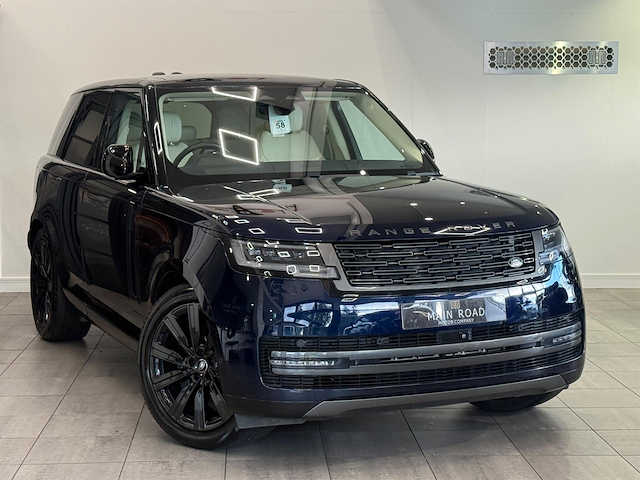
Used Land Rover: A Buyer’s Guide to Choosing the Right Model
Buying a Used Land Rover: What to Look For
A used Land Rover can be an appealing choice if you want a vehicle with a distinctive design, a comfortable interior and the ability to tackle challenging roads. The range includes everything from family-friendly SUVs to more rugged off-roaders, so the right model depends on how you plan to use it.
As with any used vehicle, condition and maintenance history matter more than the badge alone. A thorough inspection and test drive can help you understand whether a particular Land Rover is right for you—and whether its running costs fit your budget.
Which Land Rover model suits you?
Land Rover has produced a range of vehicles over the years, with different strengths and features. Depending on the model and year, options may include:
- Range Rover: A large luxury SUV, often chosen for its spacious cabin, comfort and high level of equipment.
- Range Rover Sport: A sportier take on the luxury SUV, with a range of engines and specifications across different generations.
- Range Rover Evoque: A more compact SUV that may suit drivers looking for a smaller vehicle for everyday use.
- Discovery: Known for its practicality, with some versions offering seven seats and substantial space for passengers or luggage.
- Defender: A distinctive model with off-road capability. Older and newer Defenders differ considerably in design, comfort and technology.
Equipment, seating, engine choices and four-wheel-drive features vary by model year and trim level. Check the details of the specific vehicle rather than relying on the model name alone.
Check the service and ownership history
Ask to see the vehicle’s service records and invoices, and check that the details match the registration and vehicle identification number. A clear history can help show how the car has been maintained, though it cannot guarantee its present condition.
It is also sensible to check the vehicle’s MOT history online and look for repeated advisories or issues that have returned over time. Confirm whether any recalls apply and whether the relevant work has been completed. If the seller cannot provide satisfactory information, consider arranging an independent inspection before committing to a purchase.
Inspect the car carefully
Look over the bodywork in good daylight and check for uneven panel gaps, paint differences, rust or signs of previous repairs. Inspect the wheels and tyres for damage and uneven wear. Uneven tyre wear can have several causes, so it is worth asking a qualified mechanic to investigate if you spot it.
Inside, test the seats, windows, lights, heating, air conditioning, infotainment system and other electrical features. Check for damp smells, water staining or persistent misting, as these may point to water ingress. Make sure warning lights behave as expected when the ignition is switched on and that none remain illuminated after the engine starts.
For a vehicle advertised as having off-road features, ask whether they work correctly and whether the car has been used for off-roading. A vehicle that has regularly travelled on rough terrain may have more wear underneath. If possible, have the underside checked by a mechanic.
Take a proper test drive
Test the vehicle on a variety of roads if you can, including slower streets and faster routes. Listen for unusual noises, check that the engine runs smoothly and make sure the gearbox changes gear as expected. The steering should feel predictable, and the brakes should work smoothly without pulling to one side or vibrating.
Pay attention to how the vehicle rides and handles. A warning light, unusual suspension noise or hesitation during the drive should be investigated before you buy. If you are unfamiliar with the model, an independent inspection can provide extra reassurance.
Budget for running costs
Running costs can vary widely between Land Rover models, engines and years. Before buying, check the vehicle’s fuel economy, road tax, insurance group and servicing requirements. Larger or more powerful models may cost more to fuel and insure, while premium parts and specialist repairs can add to ownership costs.
Get an insurance quote using the exact registration number, and consider setting aside money for routine maintenance and unexpected repairs. A lower purchase price does not necessarily mean a cheaper car to own.
Check the paperwork before you buy
Make sure the seller’s details are clear and that the vehicle’s registration, VIN and records match. Check the MOT status and vehicle tax requirements, and confirm what is included in the sale. If buying from a dealer, read the terms carefully and ask what warranty or after-sales support is provided. Private sales may offer fewer protections, so take particular care to inspect the car and verify its history.
Is a used Land Rover right for you?
A used Land Rover may suit drivers who value comfort, practicality or off-road ability, but the best choice depends on the individual vehicle and your needs. Compare models, check the history, test drive the car and get an independent inspection where appropriate. Taking time to assess both the purchase price and the likely running costs can help you make a more informed decision.
7 Essential Checks Before Buying a Used Land Rover
- Check the service history and mileage.
- Look for rust on the chassis and underneath.
- Test the four-wheel-drive system on varied terrain.
- Listen for unusual engine or gearbox noises.
- Check for warning lights and electrical faults.
- Get a vehicle history check before buying.
- Arrange an inspection with a Land Rover specialist.
Check the service history and mileage.
Check the Land Rover’s service history and mileage carefully before you buy. Look for regular servicing, supporting invoices and records that match the vehicle’s age and condition. Compare the mileage with its MOT history, service documents and wear on the steering wheel, pedals and seats. Any gaps or inconsistencies are worth discussing with the seller, and an independent inspection can help uncover potential problems.
Look for rust on the chassis and underneath.
When viewing a used Land Rover, check the chassis and underside carefully for rust, paying particular attention to seams, joints and areas where mud or moisture can collect. Surface corrosion may be manageable, but heavy, flaking or perforated rust could indicate a more serious and costly problem. If you’re unsure, arrange for a mechanic to inspect the vehicle before you buy.
Test the four-wheel-drive system on varied terrain.
When viewing a used Land Rover, test the four-wheel-drive system on varied terrain where it is safe and appropriate to do so. Check that the system engages smoothly and that any terrain modes or low-range settings work as described in the handbook. Listen for unusual noises and watch for warning lights, but avoid testing the vehicle beyond your experience or on roads where it could be unsafe. If you cannot try the system yourself, ask for evidence that it has been maintained and have a qualified mechanic inspect it.
Listen for unusual engine or gearbox noises.
During your test drive, listen carefully for unusual engine or gearbox noises, such as knocking, whining, grinding or clunking. Pay attention when starting the vehicle, accelerating, changing gear and slowing down, as some problems may only become noticeable in particular situations. If you hear anything concerning, ask a qualified mechanic to inspect the Land Rover before you buy.
Check for warning lights and electrical faults.
Before buying a used Land Rover, check the dashboard for warning lights when you switch on the ignition, and make sure they go out once the engine is running. Test electrical features such as the windows, lights, air conditioning, infotainment system, parking sensors and central locking. If a warning light stays on, or any equipment works intermittently, ask the seller about it and arrange a professional inspection before proceeding, as electrical faults can be difficult and costly to diagnose.
Get a vehicle history check before buying.
Before buying a used Land Rover, get a vehicle history check using its registration number. It can help reveal important details such as outstanding finance, recorded mileage, previous write-offs, changes of ownership and MOT history. Check that the report matches the vehicle and its documents, and follow up on anything unclear with the seller. A history check is not a substitute for a thorough inspection, but it can help you make a more informed decision.
Arrange an inspection with a Land Rover specialist.
Arrange an inspection with a Land Rover specialist before you buy. They can assess the vehicle’s mechanical condition, four-wheel-drive systems and common model-specific issues, as well as spot signs of off-road wear or previous repairs that may not be obvious during a test drive. An independent inspection costs extra, but could help you avoid unexpected repair bills and negotiate with greater confidence.
