Used Cars Under 10k: What to Look For When Buying in the UK
Used Cars Under £10,000: What to Look For
A budget of £10,000 can open up plenty of choice in the UK used-car market, from economical city cars to practical family hatchbacks. The best option depends on how you drive, how much space you need and what you can afford to run—not just the car’s asking price.
Prices and availability vary with age, mileage, condition and location, so use the models below as a starting point rather than a guarantee of what you will find for your budget.
Popular used cars to consider
- Toyota Yaris: A small, easy-to-drive car with a reputation for reliability. Hybrid versions may be available, though their price and condition will depend on age and mileage.
- Honda Jazz: Known for its clever interior space, making it a useful choice if you want a small car that can carry more than you might expect.
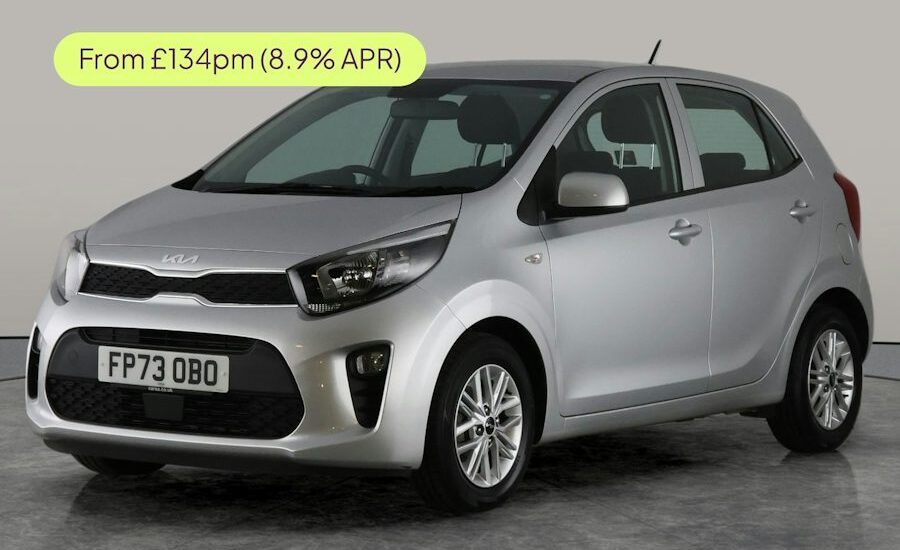
- Hyundai i10 or Kia Picanto: Compact city cars that are easy to park and can be relatively affordable to run. Check the specification and service history carefully.
- Ford Fiesta: A common small hatchback with a wide choice of used examples. Compare engines, trim levels and insurance groups, and check that the car has been maintained properly.
- Volkswagen Polo or Škoda Fabia: Practical hatchbacks that may suit buyers looking for a slightly more substantial small car. Condition and equipment can vary considerably between versions.
- Dacia Sandero: A straightforward option that may offer good space for the money. Check the features and service records of the particular car you are considering.
- Toyota Auris or Honda Civic: Older or higher-mileage examples may fit a £10,000 budget and provide more room than a city car. Allow for potentially higher fuel, tyre and maintenance costs.
Choose the right type of car for your needs
Before browsing, think about your regular journeys. A small petrol car may suit short trips and town driving, while a larger hatchback could be more comfortable for frequent motorway use or family travel. If you are considering a diesel, check that your driving pattern is suitable: regular short journeys may not be ideal for some diesel engines.
Also consider boot space, rear-seat room, parking, fuel economy and insurance. If you drive into a clean air zone, check the vehicle’s emissions information and the rules for the places you visit. Do not assume that a car is exempt from charges based only on its age or fuel type.
Make room in your budget for running costs
Spending the full £10,000 on the car may leave little available for the costs that come afterwards. Keep some money aside for insurance, vehicle tax, fuel, servicing, tyres and any repairs that are needed. Before you buy, get an insurance quote using the car’s exact registration number and compare fuel economy using realistic expectations for your type of driving.
A cheaper car can become an expensive purchase if it needs immediate work. Equally, paying more for a well-maintained example may be better value than choosing the newest car you can find.
Check the car before you buy
- Review the service history: Look for invoices and evidence of regular maintenance, not just a stamped service book.
- Check MOT history: Use the GOV.UK MOT history service to review past results, mileage records and advisories. An advisory is not necessarily a reason to reject a car, but it can point to work that may be needed.
- Match the details: Check that the registration, VIN and details in the paperwork match the vehicle. Consider a vehicle-history check for outstanding finance, theft markers or write-off history.
- Inspect the condition: Look for uneven tyre wear, damage, rust, warning lights and signs of poor repairs. Check that the air conditioning, windows, lights and other equipment work.
- Take a proper test drive: Try the car on different types of road if possible. Listen for unusual noises and check that the steering, brakes, clutch and gearbox feel as expected.
- Consider an independent inspection: If you are unsure about the car’s condition, arrange an inspection by a qualified mechanic before committing.
Buying from a dealer or privately
Buying from a dealer may offer more support if something goes wrong, and cars sold by businesses are covered by consumer protections. Your rights depend on the circumstances, so read the paperwork and ask what checks, preparation or warranty are included. A warranty is not a substitute for checking the car.
A private sale may offer a lower price, but there is usually less protection if a fault appears afterwards. Check the seller’s identity and address, make sure they are entitled to sell the vehicle, and never feel pressured to pay a deposit or complete the sale before you have seen the car and its documents.
Take your time and compare carefully
There is no single best used car under £10,000. A well-maintained car with a clear history and sensible running costs is often a better choice than a newer model with signs of neglect. Compare several examples, ask questions about anything that is unclear and be prepared to walk away if the paperwork, condition or seller does not feel right.
With a realistic budget and thorough checks, you can find a used car under £10,000 that suits your needs and gives you confidence on the road.
5 Benefits of Buying a Used Car for Under £10,000
- Affordable purchase price
- Wide choice of makes and models
- Lower depreciation than a new car
- Potentially lower insurance costs
- Good-value options for first-time buyers
Five Drawbacks of Buying a Used Car for Under £10,000
- Older cars may need more repairs.
- Higher mileage can mean more wear.
- Fuel economy may be worse than newer models.
- Some cars may lack modern safety features.
- A low price can hide costly maintenance needs.
Affordable purchase price
Affordable purchase price: Choosing a used car under £10,000 can make owning a car more accessible, with a lower upfront cost than buying a new vehicle. It may also mean borrowing less or avoiding finance altogether, leaving more of your budget available for insurance, fuel, servicing and unexpected repairs. Compare the total running costs as well as the asking price to make sure the car is genuinely affordable for you.
Wide choice of makes and models
With a budget of under £10,000, you can choose from a wide range of makes and models, including compact city cars, practical family hatchbacks and spacious estates. This variety makes it easier to find a car that suits your lifestyle, whether you prioritise low running costs, extra boot space or a comfortable drive. Compare different models and focus on condition, service history and overall value, rather than choosing on price alone.
Lower depreciation than a new car
One advantage of buying a used car for under £10,000 is that it has usually already passed through the steepest part of its depreciation. New cars often lose value most quickly in their first few years, while an older used car may depreciate more gradually. This can help your money go further and may mean you lose less in value while you own it, although depreciation varies by model, age, mileage, condition and demand.
Potentially lower insurance costs
< p>Used cars under £10,000 may be cheaper to insure than newer or more expensive models, as their lower value can reduce the cost of replacing or repairing them. However, premiums also depend on factors such as the car’s make and model, engine size, insurance group, your driving history and where you live. Compare quotes using the vehicle’s registration before you buy to check the likely cost.
Good-value options for first-time buyers
Used cars under £10,000 can be a good-value option for first-time buyers, offering a wide choice of practical, affordable vehicles without the cost of a brand-new car. A smaller engine and sensible specification may also help keep fuel and insurance costs manageable. Before buying, compare insurance quotes and set aside money for tax, servicing and unexpected repairs so your budget covers more than the purchase price.
Older cars may need more repairs.
One drawback of buying a used car for under £10,000 is that older vehicles may need more repairs. Wear and tear can affect parts such as the tyres, brakes, battery and suspension, while a patchy service history may hide problems that are costly to fix. Before buying, check the car’s MOT history and maintenance records, arrange an independent inspection if possible, and keep some of your budget aside for unexpected repairs.
Higher mileage can mean more wear.
Higher mileage can mean more wear
Cars under £10,000 may have covered more miles, which can mean greater wear on parts such as the brakes, tyres, clutch and suspension. Mileage alone does not determine a car’s condition, however: a well-maintained vehicle with a clear service history may be a better choice than a lower-mileage car that has been neglected. Check the MOT history, service records and overall condition, and consider an independent inspection before buying.
Fuel economy may be worse than newer models.
Fuel economy can be a drawback when buying a used car under £10,000, as older models may use more fuel than newer alternatives. Even if the purchase price is attractive, higher fuel consumption can add up over time, particularly if you cover long distances or drive regularly in town. Check the car’s official fuel economy figures, but remember that real-world consumption will vary depending on the vehicle’s condition, your driving style and the type of journeys you make.
Some cars may lack modern safety features.
Some cars under £10,000 may be older models without modern safety features such as autonomous emergency braking, lane-keeping assistance or blind-spot monitoring. Even when these systems are fitted, they may not be as advanced as those in newer cars. Check the specification of each vehicle rather than assuming a feature is included, and look for independent safety ratings to help compare your options.
A low price can hide costly maintenance needs.
A low purchase price can be tempting, but it may hide costly maintenance needs. A car under £10,000 could have worn tyres, overdue servicing or mechanical faults that are not obvious at first glance, and repairs can quickly push the total cost beyond your budget. Check the service and MOT history, inspect the car carefully and consider an independent assessment before you buy.
