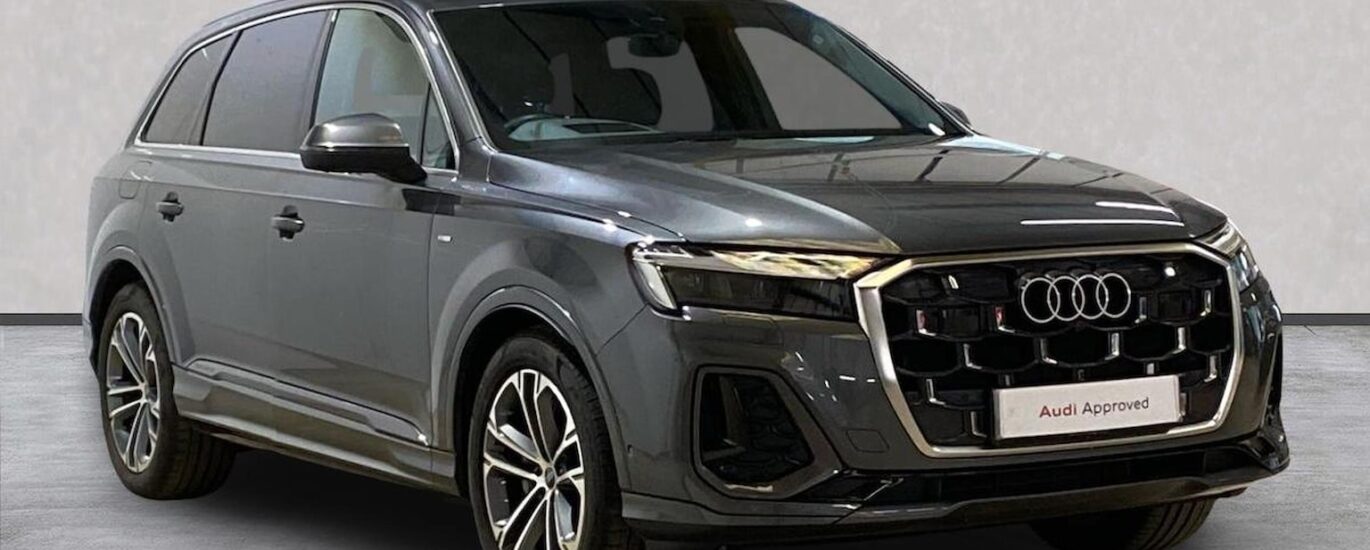
Used Audi Q7: What to Check Before You Buy
Buying a Used Audi Q7: What to Look For
The Audi Q7 is a large, premium SUV designed to combine comfort, technology and family-friendly practicality. A used Q7 can offer plenty of space and a refined driving experience, but it is also a complex, heavyweight vehicle with premium-car running costs. Checking its history and condition carefully is essential before you buy.
Why choose a used Audi Q7?
Depending on the year and specification, the Q7 offers seven seats, a generous boot, a high-quality interior and Audi’s quattro four-wheel-drive system. It is well suited to long journeys and can make light work of carrying passengers and luggage. Many versions also have strong towing capability, although the permitted towing weight varies by model and equipment.
There have been two main generations of Q7. The first went on sale in 2006, while the second arrived in 2015 and brought a more modern interior, updated technology and a lighter body. The second-generation model received a substantial update in 2019. Equipment and engine choices vary significantly by age and trim, so check the exact specification of any car you are considering.
Engines and running costs
Diesel engines, particularly the 3.0-litre V6 TDI, are common on the UK used market. They suit the Q7’s size and are generally most appealing to drivers who cover longer distances. Petrol and plug-in hybrid versions are also available in some model years, but availability, performance and electric range depend on the specific version.
Fuel economy is unlikely to be a Q7’s strongest point, especially around town or when carrying a full load. Tyres, brakes, servicing and repairs can also cost more than they would on a smaller family car. Insurance and vehicle tax will depend on the vehicle’s age, engine, emissions and list price when new. Before buying, get insurance quotes and check the car’s current tax band and likely fuel costs.
If you regularly drive in a Clean Air Zone or London’s ULEZ, check the vehicle’s registration against the relevant official checker. Compliance depends on the exact engine and emissions standard, not simply the model name or year.
Reliability and common checks
A well-maintained Q7 can be a capable used car, but its sophisticated equipment means neglected examples can become expensive to put right. Do not rely on a recent MOT alone: look for a complete service history and evidence that maintenance has been carried out at the correct intervals.
- Engine and gearbox: On a test drive, check for warning lights, uneven running, excessive smoke, hesitation or rough gear changes. Any unusual noises or juddering should be investigated.
- Air suspension: If fitted, make sure the car rises and lowers correctly and sits level after being parked. Repairs can be costly.
- Electronics: Test the infotainment system, cameras, parking sensors, electric seats, climate control, tailgate and every other fitted feature.
- Brakes, tyres and suspension: The Q7 is heavy, so inspect for uneven tyre wear, vibration under braking, knocks over bumps or a wandering feel on the road.
- Diesel emissions equipment: If buying a diesel, ask about the car’s use and maintenance. Frequent short journeys can be unsuitable for some diesel systems, including the diesel particulate filter.
- Water leaks and body condition: Check the cabin and boot for damp smells or signs of water ingress, and inspect the bodywork, wheels and underside for damage.
Arrange an independent inspection if you are unsure about the car’s condition. A professional check can be especially worthwhile on a high-mileage or heavily equipped example.
Choosing the right Q7
Think about how you will use the car. The third row is useful for occasional passengers, but access and space are not the same as in a people carrier. Check that the seats suit your family, and try fitting your usual child seats and luggage before committing. With all seven seats in use, boot space is limited compared with the car’s overall size.
Trim levels and optional equipment can make a big difference. Features such as adaptive cruise control, upgraded sound systems, panoramic roofs and air suspension may be desirable, but they can add complexity if they develop a fault. Prioritise a sound history and condition over a long list of extras.
Before you buy
Check the registration and vehicle identification number against the V5C, and use a vehicle history check to look for outstanding finance, insurance write-offs, stolen status or mileage discrepancies. Confirm that any recalls have been completed, and make sure the service records match the mileage and MOT history. Take a thorough test drive on different types of road, and do not feel pressured to buy before you have had the car inspected.
Is a used Audi Q7 right for you?
A used Audi Q7 can be an appealing choice if you need a spacious, comfortable SUV with seven-seat flexibility and are prepared for premium running costs. The best purchase is not necessarily the newest or highest-specified example: a carefully maintained car with a clear history and a condition that stands up to inspection is usually the safer bet.
Essential Tips for Buying a Used Audi Q7: What to Check Before You Buy
- Check the full service history and confirm recall work is complete.
- Test the automatic gearbox for smooth, hesitation-free shifts.
- Inspect the air suspension for sagging or warning lights.
- Check diesel models’ DPF and emissions-system history.
- Test every electronic feature, including the infotainment system.
- Budget for premium tyres, fuel and higher repair costs.
Check the full service history and confirm recall work is complete.
Before buying a used Audi Q7, check its full service history to make sure maintenance has been carried out at the recommended intervals and that the records match the car’s mileage. Ask an Audi dealer or use the vehicle’s registration details to confirm that any recall work has been completed. A thorough paper trail can offer reassurance about how the Q7 has been cared for and highlight any outstanding work to address before purchase.
Test the automatic gearbox for smooth, hesitation-free shifts.
When test-driving a used Audi Q7, check that the automatic gearbox changes smoothly and promptly as you accelerate and slow down. Shifts should feel consistent, without hesitation, jolts, slipping or unusual noises. Try the car in different driving conditions, including stop-start traffic and steady cruising. If anything feels unusual, ask for the gearbox to be checked by a qualified mechanic before buying.
Inspect the air suspension for sagging or warning lights.
If the Audi Q7 you’re viewing has air suspension, check that it sits level when parked and doesn’t sag at one corner. Test the height-adjustment settings, if fitted, and watch for suspension warning lights on the dashboard. Uneven ride height, slow adjustment or warning messages may indicate a fault, so arrange a professional inspection before buying, as repairs can be expensive.
Check diesel models’ DPF and emissions-system history.
When viewing a diesel Audi Q7, ask for evidence that the diesel particulate filter (DPF) and other emissions systems have been properly maintained, and check for any related repairs or warning lights. DPF problems can be more likely if the car has mainly been used for short, stop-start journeys, as the filter may not get hot enough to regenerate. A full service history and an independent inspection can help reveal potential issues before you buy.
Test every electronic feature, including the infotainment system.
Test every electronic feature before buying a used Audi Q7, including the infotainment system, navigation, cameras, parking sensors, climate control, electric seats and tailgate. Check that screens respond properly and that warning lights disappear after the car starts. Faults can be difficult and costly to diagnose, so make sure everything works as it should or factor any repairs into the price.
Budget for premium tyres, fuel and higher repair costs.
When budgeting for a used Audi Q7, look beyond the purchase price: its size and weight mean premium tyres and replacement brakes can be costly, while fuel consumption is likely to be higher than in a smaller SUV. Repairs and servicing can also be expensive, particularly for complex features such as air suspension and electronic systems. Allow room in your budget for routine maintenance and unexpected repairs, and check tyre prices and insurance costs before you buy.
