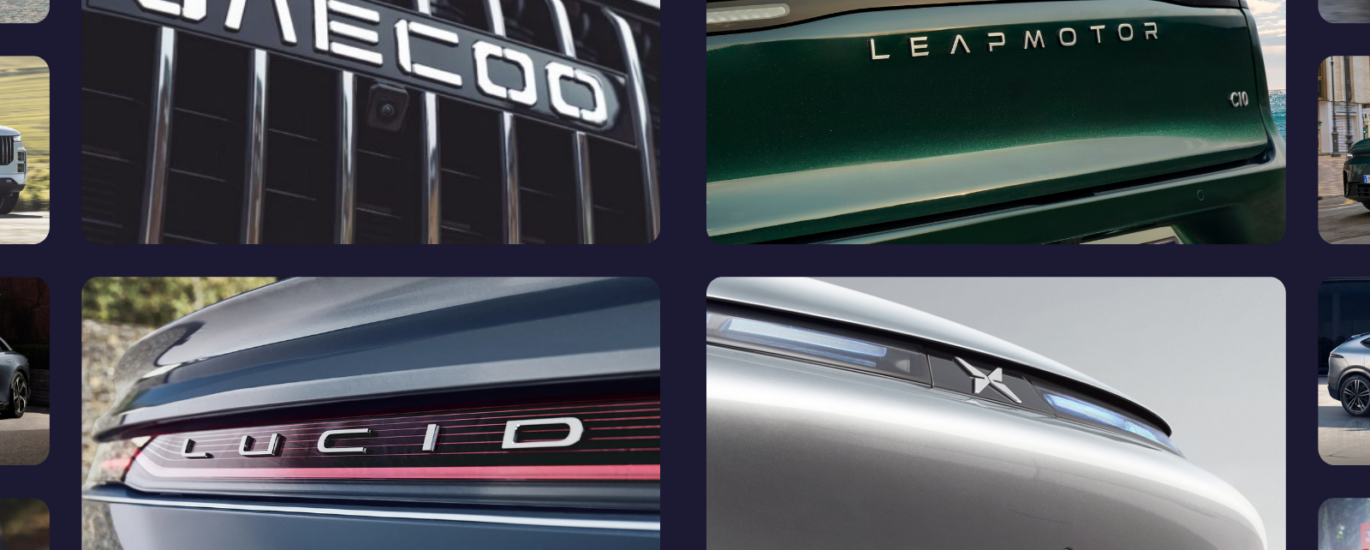
Exploring the Latest Innovations in the World of New Auto Technology
The Exciting World of New Auto Innovations
As technology continues to advance at a rapid pace, the automotive industry is not far behind in embracing these innovations. From electric vehicles to autonomous driving features, the future of automobiles is looking more exciting than ever.
Electric Revolution
One of the most significant developments in the auto industry is the shift towards electric vehicles (EVs). With concerns about environmental impact and sustainability on the rise, many major car manufacturers are investing heavily in developing electric cars that offer both performance and eco-friendliness.
Autonomous Driving
The concept of self-driving cars once seemed like science fiction, but it is quickly becoming a reality. Autonomous driving features such as lane-keeping assist, adaptive cruise control, and automatic parking are already available in many modern vehicles. The prospect of fully autonomous vehicles navigating our roads is not too far off.
Connected Cars
With the rise of the Internet of Things (IoT), cars are becoming increasingly connected to other devices and networks. From in-car entertainment systems to real-time traffic updates, connected cars are transforming the driving experience and making our journeys safer and more convenient.
Sustainable Materials
Car manufacturers are also exploring new materials and manufacturing processes to make vehicles more sustainable. From using recycled plastics to creating lightweight yet durable components, the focus on sustainability is driving innovation in how cars are designed and built.
Conclusion
The world of new auto innovations is full of exciting possibilities that promise to revolutionize how we drive and interact with our vehicles. With electric cars, autonomous features, connected technologies, and sustainable practices shaping the future of automobiles, we can look forward to a more efficient, safer, and environmentally friendly driving experience.
Exploring Modern Automotive Innovations: Answers to Common Questions on Electric, Autonomous, and Eco-Friendly Vehicles
- 1. What are the benefits of switching to an electric vehicle?
- 2. How do autonomous driving features work in modern cars?
- 3. Are connected cars more vulnerable to cyber attacks?
- 4. What sustainable materials are being used in manufacturing new automobiles?
- 5. How does the range of an electric vehicle compare to a traditional petrol/diesel car?
- 6. Can I retrofit my existing car with autonomous driving technology?
- 7. Are there government incentives available for purchasing eco-friendly vehicles?
1. What are the benefits of switching to an electric vehicle?
Switching to an electric vehicle offers a multitude of benefits that go beyond just reducing carbon emissions. Electric vehicles are more energy-efficient, resulting in lower running costs and savings on fuel expenses. They also contribute to cleaner air by producing zero tailpipe emissions, thereby improving air quality and reducing environmental impact. Additionally, electric cars provide a quieter and smoother driving experience due to their electric motors’ silent operation. With advancements in technology, the charging infrastructure for electric vehicles is expanding, making it more convenient for drivers to recharge their cars. Overall, making the switch to an electric vehicle not only aligns with sustainable practices but also offers practical advantages for drivers looking for a greener and cost-effective transportation solution.
2. How do autonomous driving features work in modern cars?
Autonomous driving features in modern cars rely on a combination of advanced technologies to enable vehicles to operate with varying degrees of automation. These features typically include sensors, cameras, radar systems, and sophisticated algorithms that work together to interpret the vehicle’s surroundings and make real-time decisions. Through a process known as sensor fusion, data from these different sources is integrated to create a comprehensive picture of the car’s environment. This information is then used to control steering, acceleration, braking, and other functions to navigate the road safely. Autonomous driving technology continues to evolve rapidly, promising a future where cars can drive themselves with increasing levels of autonomy.
3. Are connected cars more vulnerable to cyber attacks?
In the realm of new auto innovations, a frequently asked question revolves around the cybersecurity of connected cars. The increasing integration of technology in vehicles has raised concerns about the vulnerability of connected cars to cyber attacks. With cars becoming more interconnected and reliant on digital systems, there is a valid worry about potential security breaches that could compromise the safety and privacy of drivers and passengers. As automotive manufacturers continue to enhance the connectivity features in vehicles, addressing cybersecurity risks and implementing robust protective measures is crucial to safeguarding against potential threats in this evolving landscape of smart automobiles.
4. What sustainable materials are being used in manufacturing new automobiles?
In response to the frequently asked question about sustainable materials used in manufacturing new automobiles, car manufacturers are increasingly turning to innovative solutions to reduce their environmental impact. Some of the sustainable materials being utilised include recycled plastics, natural fibres like bamboo and hemp, bio-based composites, and even materials derived from agricultural waste. These eco-friendly alternatives not only help reduce carbon footprint but also promote a more sustainable approach to vehicle production, aligning with the industry’s commitment to environmental responsibility and resource conservation.
5. How does the range of an electric vehicle compare to a traditional petrol/diesel car?
When comparing the range of an electric vehicle to that of a traditional petrol or diesel car, there are several factors to consider. Electric vehicles typically have a limited range on a single charge compared to the longer distances that petrol or diesel cars can cover on a full tank. However, advancements in battery technology are constantly improving the range of electric vehicles, with many newer models offering competitive mileage. Factors such as driving conditions, weather, and driving habits also play a role in determining the actual range of an electric vehicle. Overall, while electric vehicles may have shorter ranges compared to traditional cars, they are continuously evolving to meet the needs of drivers seeking sustainable and efficient transportation options.
6. Can I retrofit my existing car with autonomous driving technology?
Many car owners wonder whether they can retrofit their existing vehicles with autonomous driving technology. While the idea of upgrading your car to include autonomous features may seem appealing, the reality is that retrofitting such advanced technology is often complex and expensive. Autonomous driving systems are typically integrated into a vehicle’s design from the ground up, making it challenging to seamlessly add them to older models. Additionally, ensuring the safety and reliability of retrofitted autonomous technology poses significant technical and regulatory hurdles. It is advisable to consult with automotive experts and consider investing in a newer vehicle already equipped with autonomous capabilities for a more reliable and efficient driving experience.
7. Are there government incentives available for purchasing eco-friendly vehicles?
Yes, there are government incentives available for purchasing eco-friendly vehicles in the UK. The government offers various schemes and grants to encourage the adoption of electric and low-emission vehicles. These incentives can include grants towards the purchase price of electric cars, discounts on vehicle excise duty (road tax), reduced company car tax rates for electric vehicles, and funding for installing home charging points. By providing these incentives, the government aims to promote cleaner and more sustainable transportation options while helping individuals and businesses make the switch to eco-friendly vehicles.
