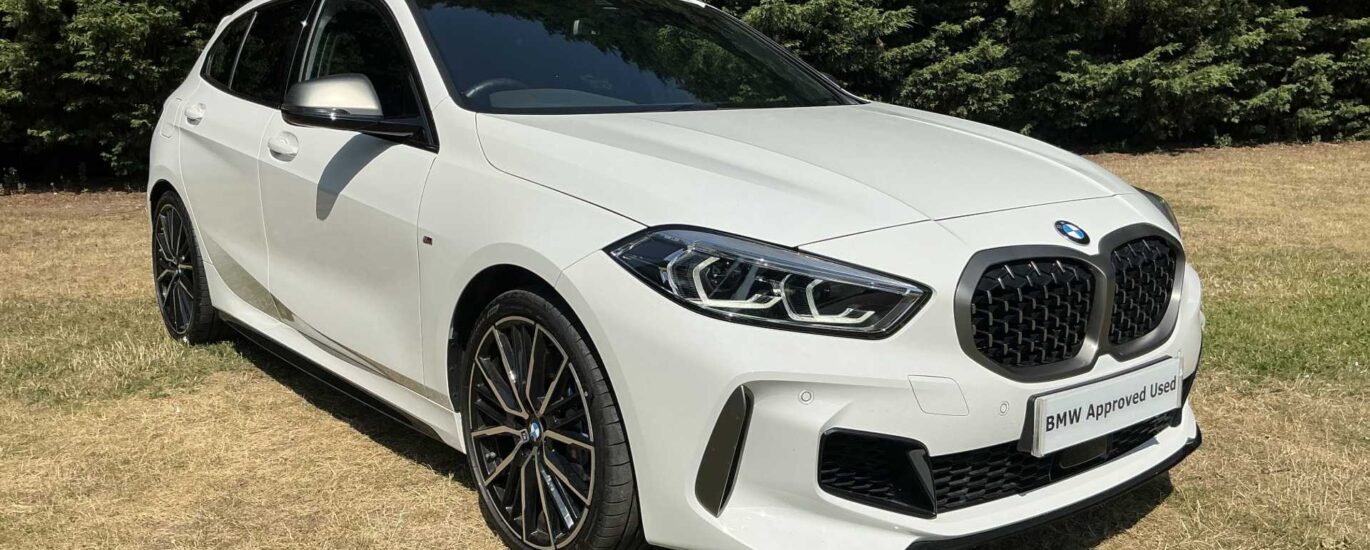
Used BMW: A Practical Guide to Buying with Confidence
Buying a Used BMW: A Practical Guide
A used BMW can be an appealing choice for drivers looking for a premium interior, engaging handling and a wide range of models. From compact hatchbacks to family SUVs and executive saloons, there is a BMW to suit many needs and budgets. The right choice depends on how you drive, what you can afford to run and the condition of the individual car.
Choose the Right BMW for Your Needs
BMW’s model range covers several types of vehicle. The 1 Series is a compact option for everyday driving, while the 3 Series is a popular saloon and estate for commuting and family use. The 5 Series offers more space and comfort, and the X1, X3 and larger X models provide SUV-style practicality. Coupés and convertibles may suit buyers who prioritise style over rear-seat or boot space.
Think about your usual journeys before choosing an engine. A petrol model may suit shorter trips and lower annual mileage. Diesel can be worth considering for regular longer journeys, but it may be less suitable for mainly short, stop-start use. Plug-in hybrid and electric BMWs are also available on the used market; check that their range and charging arrangements fit your routine.
Check the Car’s History and Condition
Condition and maintenance matter more than the badge on the bonnet. Before viewing a used BMW, ask for its service history and check that the details match the vehicle. A history check can help identify outstanding finance, recorded damage, mileage discrepancies or other issues, though it should not replace a thorough inspection.
- Service records: Look for evidence of regular maintenance and completed repairs. Digital service records may be available for some cars.
- MOT history: Review past results and advisories on the GOV.UK MOT history service. Repeated advisories can indicate items that need attention.
- Vehicle details: Check the registration, VIN, mileage and specification against the documents and the car itself.
- Tyres and brakes: Uneven tyre wear, damaged rims or excessive brake wear may point to repair costs or underlying issues.
- Bodywork and interior: Look for signs of accident repairs, corrosion, water ingress and wear that does not seem consistent with the advertised mileage.
Where possible, have the car inspected by an independent mechanic or a specialist familiar with BMWs. This can help uncover faults that are not obvious during a quick viewing.
Take a Thorough Test Drive
Test the car on a variety of roads and, if possible, drive it from cold. The engine should start and run smoothly, and the car should accelerate, brake and steer predictably. Listen for unusual noises and check that the gearbox changes gear smoothly. Try the heating, air conditioning, infotainment system, parking sensors, windows and other electrical equipment.
Warning lights should not be ignored. If any appear, ask what they mean and request evidence that the issue has been properly diagnosed and repaired. Do not feel pressured to buy before questions have been answered.
Understand the Running Costs
A used BMW’s purchase price is only one part of the cost. Insurance, vehicle tax, fuel or electricity, servicing, tyres and repairs can vary significantly by model, engine and specification. Obtain insurance quotes using the exact vehicle details and compare likely maintenance costs before committing.
Optional equipment can also affect repair bills. Features such as larger wheels, advanced driver assistance systems and complex infotainment may be desirable, but replacement parts and repairs can be expensive. Check that every advertised feature works.
Buying from a Dealer or Private Seller
A dealer may offer a warranty or other support, but the terms and exclusions vary, so read them carefully. A private sale may have a lower asking price, but usually offers less protection if a problem arises. In either case, make sure the seller is entitled to sell the vehicle, confirm what is included in the sale and keep copies of relevant paperwork.
Final Thoughts
A well-chosen used BMW can provide comfort, performance and everyday practicality. Take time to compare models, check the vehicle’s history, inspect its condition and calculate the full cost of ownership. A careful purchase is more likely to deliver an enjoyable drive and fewer unexpected surprises.
Essential FAQs for Buying a Used BMW in the UK
- What should I check before buying a used BMW?
- Which used BMW model is best for my needs?
- Are used BMWs reliable?
- How much does it cost to maintain a used BMW in the UK?
- Is a used BMW with high mileage worth buying?
- Should I buy a used BMW from a dealer or a private seller?
- What documents should I check when buying a used BMW?
- Is a petrol, diesel, hybrid or electric used BMW right for me?
What should I check before buying a used BMW?
Before buying a used BMW, check its service history, MOT record, mileage and vehicle details, and consider a history check for outstanding finance or recorded damage. Inspect the bodywork, tyres, brakes and interior, and make sure all electrical features work. On a test drive, listen for unusual noises, check the engine and gearbox behave smoothly, and look for warning lights. It’s also wise to arrange an independent inspection, confirm the car’s likely insurance and running costs, and read any dealer warranty terms carefully.
Which used BMW model is best for my needs?
The best used BMW for you depends on how you plan to use it. The 1 Series is a practical choice for city driving, while the 3 Series offers a good balance of comfort, handling and everyday usability. If you need more space, consider a 5 Series, Touring estate or an X1 or X3 SUV. Think about passenger and boot space, annual mileage, fuel type and running costs, then compare the condition and service history of individual cars before deciding.
Are used BMWs reliable?
Used BMWs can be reliable when they have been properly maintained, but reliability varies by model, age, engine and individual vehicle. Before buying, check the service history and MOT records, look for any outstanding recalls, and arrange an independent inspection if possible. A well-maintained example is generally a safer bet than choosing on price or mileage alone.
How much does it cost to maintain a used BMW in the UK?
The cost of maintaining a used BMW in the UK varies depending on its model, age, mileage, engine and condition. Routine servicing, MOTs, tyres and replacement parts may cost more than for some mainstream cars, while unexpected repairs can add significantly to the bill. Before buying, check the service history, compare quotes from BMW and independent specialists, and budget for regular maintenance as well as potential repairs.
Is a used BMW with high mileage worth buying?
A used BMW with high mileage can be worth buying if it has been well maintained and is in good condition. Check its service history, MOT records and mileage consistency, and arrange an independent inspection before committing. Pay particular attention to signs of wear and any upcoming maintenance, as repairs can be costly. Compare the asking price with similar cars and factor in potential repair costs; a carefully maintained, higher-mileage BMW may be a better buy than a lower-mileage car with a poor history.
Should I buy a used BMW from a dealer or a private seller?
Whether to buy a used BMW from a dealer or a private seller depends on your budget and how much support you want. A dealer may offer a warranty, vehicle checks and help with paperwork, but these benefits can come at a higher price, so check exactly what is included. A private seller may ask less, but you will usually have fewer options if a fault appears after the sale. In either case, review the service and MOT history, check the car’s condition and outstanding finance, and arrange an independent inspection if you are unsure.
What documents should I check when buying a used BMW?
When buying a used BMW, check the V5C log book to confirm the registered keeper and ensure the vehicle identification number (VIN) matches the car. Review the MOT history online, along with service records, invoices and any warranty documents. A vehicle history check can also help reveal outstanding finance, theft markers, recorded damage or mileage discrepancies. Make sure the seller’s details are consistent with the paperwork, and never buy the car if its identity or ownership is unclear.
Is a petrol, diesel, hybrid or electric used BMW right for me?
The right used BMW depends on how and where you drive. A petrol model may suit shorter journeys and lower annual mileage, while a diesel can be a good option for frequent long-distance driving, though it may be less suitable for regular short trips. A plug-in hybrid could work if you can charge it regularly and make use of its electric range. An electric BMW may suit drivers with access to convenient charging and journeys that fit the car’s range. Compare purchase price, running costs, insurance and charging availability, and check the condition and service history of the specific car before deciding.
