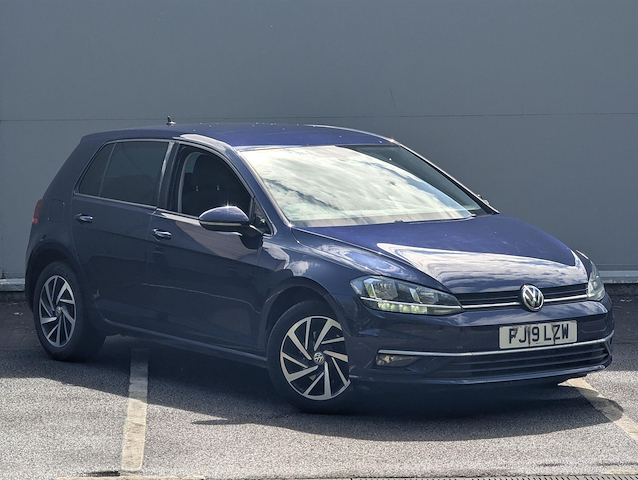
Used Volkswagen: A Practical Guide to Choosing Your Next Car
Buying a Used Volkswagen: What to Look For
A used Volkswagen can be a practical choice if you’re looking for a well-equipped car with a broad range of models to choose from. The line-up includes small hatchbacks, family cars, estates, SUVs and electric vehicles, so there may be a Volkswagen to suit different needs and budgets. As with any used car, condition, service history and suitability matter more than the badge on the bonnet.
Choosing the Right Used Volkswagen
Think about how you’ll use the car before comparing models. A Volkswagen Polo may suit town driving and parking in tighter spaces, while a Golf offers more room for passengers and luggage. The Passat and Golf Estate are worth considering if you need extra carrying capacity. If you want a higher driving position, look at SUVs such as the T-Cross, T-Roc, Tiguan or Touareg. Used electric options include the ID.3 and ID.4, though you’ll need to consider charging access and range for your regular journeys.
Model names and specifications vary by year, so check the exact equipment fitted to the car you’re viewing. Features such as parking sensors, adaptive cruise control and a built-in navigation system may depend on the trim level or optional extras.
Petrol, Diesel or Electric?
Petrol cars can be a sensible choice for mixed use and shorter journeys. Diesel may suit drivers who regularly cover longer distances, but it is important to consider your driving pattern and any local emissions rules. Modern diesel cars fitted with a diesel particulate filter may not be ideal for frequent short trips, which can prevent the filter from reaching the conditions needed for regeneration.
An electric Volkswagen may work well if you can charge at home or have convenient access to public charging. Before buying, check the battery warranty, charging capability and the vehicle’s real-world range. Range can vary with temperature, speed, driving style and use of heating or air conditioning.
What to Check Before You Buy
- Service history: Look for evidence of regular maintenance and check that the work matches the manufacturer’s schedule for that model and engine.
- MOT history: Review past MOT results online. Repeated advisories or the same issue appearing over several years may need further investigation.
- Vehicle history: Check the registration and vehicle identification number (VIN), and consider a history check for outstanding finance, theft markers or previous write-off records.
- Condition: Inspect the bodywork, wheels, tyres, lights, interior and windscreen. Uneven tyre wear can be a reason to check the suspension or wheel alignment.
- Test drive: Try the car on different roads if possible. Listen for unusual noises and check that the steering, brakes, clutch and gearbox operate smoothly.
- Recalls: Ask a Volkswagen retailer or check with the manufacturer whether any outstanding safety recalls apply to the vehicle.
If the car has a DSG automatic gearbox, make sure it changes gear smoothly during the test drive and check the service records for any maintenance required by that specific gearbox. Requirements differ between models and transmissions, so use the vehicle’s service documentation rather than relying on a general rule.
Running Costs and Ownership
Purchase price is only one part of the cost of owning a used Volkswagen. Compare insurance groups, road tax, fuel or electricity costs, servicing and replacement parts before making a decision. The exact costs depend on the model, engine, age, specification and your circumstances.
It’s also worth obtaining an insurance quote using the car’s registration before you commit. For an electric vehicle, find out what home charging installation might cost and compare public charging tariffs if you expect to rely on them.
Buying from a Dealer or Privately
A dealer may offer a warranty and additional checks, but always read the terms carefully and confirm what is covered. When buying privately, take extra care to verify the seller’s identity, inspect the documents and make sure the details match the vehicle. Never feel pressured to buy before you’ve had time to check the car properly.
Whether you’re considering a Polo, Golf, Tiguan or electric ID model, a careful inspection and a review of the car’s history can help you make a more informed choice. Compare several examples, check their service records and choose the used Volkswagen that best fits your everyday needs and budget.
Used Volkswagen Buying Guide: 8 Frequently Asked Questions
- What should I check when buying a used Volkswagen?
- Which used Volkswagen model is best for my needs?
- Are used Volkswagens reliable?
- How can I check the service history of a used Volkswagen?
- Is a used Volkswagen petrol or diesel better for me?
- What are the common problems with used Volkswagens?
- How much does it cost to maintain a used Volkswagen?
- Is it better to buy a used Volkswagen from a dealer or a private seller?
What should I check when buying a used Volkswagen?
When buying a used Volkswagen, check its service history, MOT records and vehicle history, including whether it has outstanding finance or has been written off. Inspect the bodywork, tyres, interior and warning lights, and take the car for a test drive to check that the engine, brakes, steering, clutch or gearbox work smoothly. Ask whether any recalls have been completed, and check that the registration and VIN match the paperwork. For a DSG automatic or an electric model, review the relevant gearbox servicing or battery information, and consider having the car inspected by an independent mechanic before you buy.
Which used Volkswagen model is best for my needs?
The best used Volkswagen for you depends on your budget, driving habits and how much space you need. The Polo is a compact choice for town driving, while the Golf offers more room and versatility for everyday use. If you need extra space for passengers or luggage, consider a Passat or Golf Estate; for a higher driving position, explore SUVs such as the T-Cross, T-Roc or Tiguan. Drivers considering an electric car could look at the ID.3 or ID.4, taking charging access and typical journey lengths into account. Compare running costs, features and service history, and test-drive a few models to find the right fit.
Are used Volkswagens reliable?
Used Volkswagens can be reliable, but their condition depends on the individual car, how it has been driven and whether it has been serviced properly. Before buying, check the service history, MOT record and any outstanding recalls, and arrange an inspection if you’re unsure. A thorough test drive can also help reveal potential issues. Reliability varies between models, engines and years, so research the specific Volkswagen you’re considering rather than relying on the badge alone.
How can I check the service history of a used Volkswagen?
To check the service history of a used Volkswagen, ask the seller for the service book, invoices and any digital service records, then confirm that the dates and mileage are consistent with the car’s MOT history. A Volkswagen retailer may be able to check its digital service records using the vehicle identification number (VIN), subject to access and availability. Look for evidence of servicing at the intervals specified for that model and engine, and check that any major maintenance has been completed. If records are missing or unclear, ask a qualified mechanic to inspect the car before you buy.
Is a used Volkswagen petrol or diesel better for me?
A used Volkswagen petrol may suit you better if you mainly make shorter trips, drive around town or want a car for mixed everyday use. A diesel could be a good option if you regularly cover longer motorway journeys, but it may be less suitable for frequent short trips, which can affect the diesel particulate filter. Compare the models’ fuel economy, purchase price, emissions rules and likely running costs, and choose based on your usual journeys rather than fuel type alone.
What are the common problems with used Volkswagens?
Common problems with used Volkswagens vary by model, age, engine and maintenance history, but buyers may encounter electrical faults, issues with sensors or infotainment systems, and wear to suspension components. Some models can also develop problems with the DSG automatic gearbox, turbocharger or diesel particulate filter, particularly if servicing has been missed or the car has mainly been used for short journeys. Check the service records and MOT history, arrange a thorough inspection and test drive, and have any concerns assessed by a qualified mechanic before buying.
How much does it cost to maintain a used Volkswagen?
The cost of maintaining a used Volkswagen depends on its model, age, engine, mileage and condition, as well as how and where it’s driven. Routine servicing, tyres and brakes are typical expenses, while older or higher-mileage cars may need additional repairs. Check the service history, compare local garage quotes and look into the car’s recommended maintenance schedule before buying, as costs can vary considerably between models.
Is it better to buy a used Volkswagen from a dealer or a private seller?
Buying a used Volkswagen from a dealer may offer added reassurance, such as a warranty, vehicle checks and support if something goes wrong, although these can vary, so read the terms carefully. A private seller may offer a lower price, but you’ll need to carry out more checks yourself. In either case, review the service and MOT history, verify the car’s details and condition, and take it for a thorough test drive before deciding.
